
translation def biology
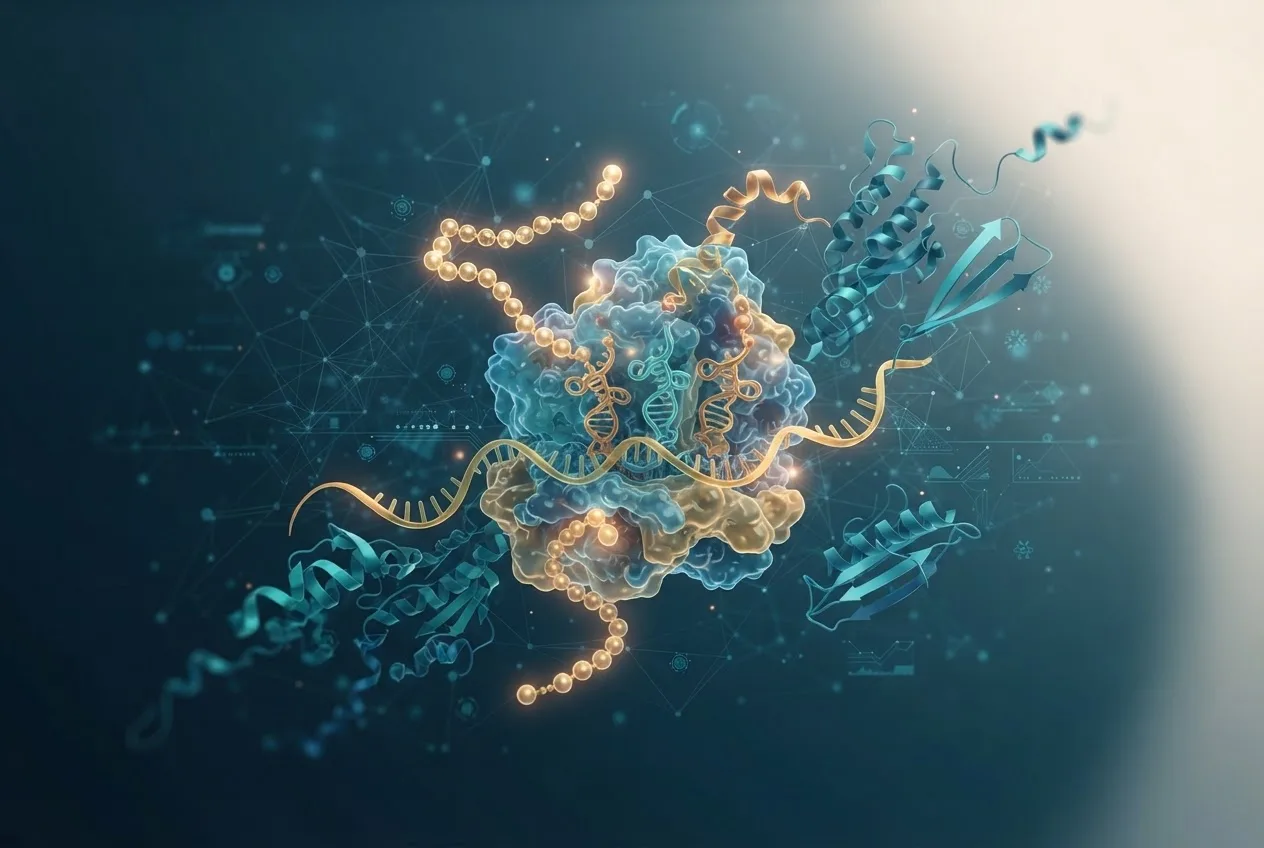
In biology, translation is the process by which cells decode messenger RNA (mRNA) to build a chain of amino acids, forming a protein. This fundamental step of gene expression bridges the information stored in DNA to the functional molecules that drive life. For anyone pursuing a career in molecular biology, biotechnology, or bioinformatics, a solid grasp of translation is not just academic it is a practical tool for innovation, drug development, and genetic engineering. This article breaks down the definition, explores why it matters for your career, and highlights key concepts you need to know.
What Is Translation in Biology? A Precise Definition
Translation is the second stage of protein synthesis, following transcription. During transcription, DNA is copied into mRNA. Then, during translation, the mRNA sequence is read by a ribosome, a molecular machine composed of ribosomal RNA and proteins. Transfer RNA (tRNA) molecules bring specific amino acids to the ribosome, matching their anticodons to the codons on the mRNA. The ribosome catalyzes peptide bond formation, linking amino acids together in a growing polypeptide chain. The process unfolds in three phases:
- Initiation: The small ribosomal subunit binds to the mRNA near the start codon (AUG). The initiator tRNA carrying methionine attaches, and the large subunit joins.
- Elongation: The ribosome moves along the mRNA one codon at a time. Each new tRNA enters the A site, a peptide bond forms, and the ribosome translocates to the next codon.
- Termination: When a stop codon (UAA, UAG, or UGA) enters the A site, release factors trigger the release of the completed polypeptide.
This elegant process ensures that genetic information flows accurately from nucleic acid to protein, making translation a cornerstone of cellular function.
Why Mastering Translation Definitions Matters for Your Career
Understanding translation goes beyond memorizing a textbook definition. It is the foundation for many high impact careers in the life sciences. Here are several pathways where knowledge of translation directly influences your work:
- Research Scientist: Studying translation helps uncover mechanisms of disease, from cancer to genetic disorders. Scientists use techniques like ribosome profiling to measure translation efficiency and identify regulatory elements.
- Biotech Drug Developer: Many therapeutics target translation machinery. For example, antibiotics like tetracycline inhibit bacterial ribosomes, and anticancer drugs (e.g., omacetaxine) block translation in leukemia cells. Understanding the process is essential for rational drug design.
- Bioinformatics Specialist: Computational analysis of translation includes predicting open reading frames, identifying ribosome binding sites, and analyzing ribosome footprint data. Tools like ORFfinder and RiboTaper rely on a clear definition of translation start and stop sites.
- Synthetic Biologist: Designing artificial gene circuits often requires controlling translation rates. By modifying ribosome binding sites or using orthogonal ribosomes, engineers can tune protein production for industrial enzymes or therapeutic proteins.
- Clinical Geneticist: Mutations that affect translation (e.g., in tRNA genes, ribosomal proteins, or initiation factors) cause rare diseases. Recognizing these variants is critical for diagnosis and personalized medicine.
A deep understanding of translation gives you a competitive edge in these fields, enabling you to design experiments, interpret data, and innovate with confidence.
Key Concepts Every Biology Professional Should Know
To speak fluently about translation, you must master its core vocabulary. The table below summarizes essential terms and their relevance to your career.
| Term | Definition | Career Relevance |
|---|---|---|
| Codon | A triplet of mRNA nucleotides that specifies an amino acid or stop signal. | Used in gene annotation, drug target identification, and synthetic biology design. |
| Anticodon | A triplet on tRNA that base pairs with the mRNA codon. | Understanding tRNA engineering is key for expanded genetic code projects. |
| Ribosome | The molecular complex that catalyzes peptide bond formation. | Target of antibiotics and anticancer agents; central to mechanistic studies. |
| Peptide bond | The covalent bond between amino acids, formed by ribosome activity. | Basis of protein structure; relevant to protein engineering and stability. |
| Start codon (AUG) | The first codon read during translation, usually coding for methionine. | Used to define open reading frames in bioinformatics pipelines. |
| Stop codon (UAA, UAG, UGA) | Codons that signal termination of translation. | Important for gene synthesis, termination suppression in therapeutics. |
| Polyribosome (polysome) | A complex of multiple ribosomes translating the same mRNA simultaneously. | Studied in ribosome profiling to quantify translation efficiency. |
Familiarity with these terms will help you communicate effectively with colleagues, read cutting edge literature, and solve problems in your daily work.
Staying Current: Trends in Translation Research
The field of translation biology is evolving rapidly, creating new career opportunities. Here are three trends worth watching:
- Ribosome profiling (Ribo Seq) has become a standard tool for genome wide measurement of translation. It reveals which mRNAs are actively translated, identifies alternative start sites, and uncovers translation of non coding RNAs. Career roles in bioinformatics and data science are growing to analyze these large datasets.
- Non canonical translation mechanisms, such as stop codon readthrough, frameshifting, and translation of upstream open reading frames (uORFs), are increasingly linked to human diseases. Researchers studying these phenomena are in demand for academic and pharmaceutical positions.
- Targeting translation in cancer is a hot area. Drugs that inhibit translation initiation (e.g., eIF4E inhibitors) or elongation (e.g., homoharringtonine) are entering clinical trials. This convergence of basic science and medicine requires experts who understand both the molecular details and the translational applications.
Staying informed about these advances will make you a more valuable candidate and a more effective scientist.
Conclusion
Translation is much more than a textbook definition. It is the process that brings genes to life, and it lies at the heart of modern biology. Whether you are a bench scientist, a computational analyst, or a biotech entrepreneur, mastering the ins and outs of translation will serve your career for years to come. Start by solidifying the basics, then explore the latest research and tools. The ability to connect this core process to real world applications is what sets great professionals apart.
Written by Zubair Khalid, DVM, MS, PhD, a molecular biologist and computational researcher sharing practical insights in bioinformatics and biotechnology.