Biology Major Jobs in Healthcare, Biotech, and More
By Dr. Zubair Khalid, DVM, MS, PhD ·
Key Takeaways
- A bachelor's degree in biology provides a foundation for diverse roles in healthcare and research, including Medical Laboratory Scientists analyzing patient samples and Research Assistants performing experiments, often requiring additional certifications or graduate studies.
- The biotechnology and bioinformatics sectors offer high-growth opportunities such as Bioinformatics Analysts who process genomic data using programming languages like Python and R, and Biomanufacturing Associates involved in producing biologics like vaccines and cell therapies.
- Government and environmental careers leverage biological knowledge for roles like Environmental Scientists assessing pollution and Wildlife Biologists studying animal populations, with practical experience and GIS skills being advantageous.
- Entry into specialized fields like bioinformatics is significantly enhanced by acquiring computational skills, while roles in biomanufacturing may benefit from training in Good Manufacturing Practices (GMP).
- Strategic career development for biology majors involves gaining hands-on experience through internships and research, developing hard skills in areas like programming and specific lab techniques, and networking within professional organizations.
A bachelor’s degree in biology opens more doors than many students realize. While some assume the only path leads to medical school or a research lab, the truth is that biology majors are in demand across healthcare, biotechnology, environmental management, data science, and even business. The key is knowing which roles align with your skills and how to position yourself for them. This article breaks down the most promising biology major jobs, along with practical tips to launch your career.
The Traditional Paths: Healthcare and Research
The most well known career routes for biology graduates remain in human health and laboratory research. These roles often require additional certifications or graduate degrees, but the entry points are accessible with a bachelor’s.
Typical positions include:
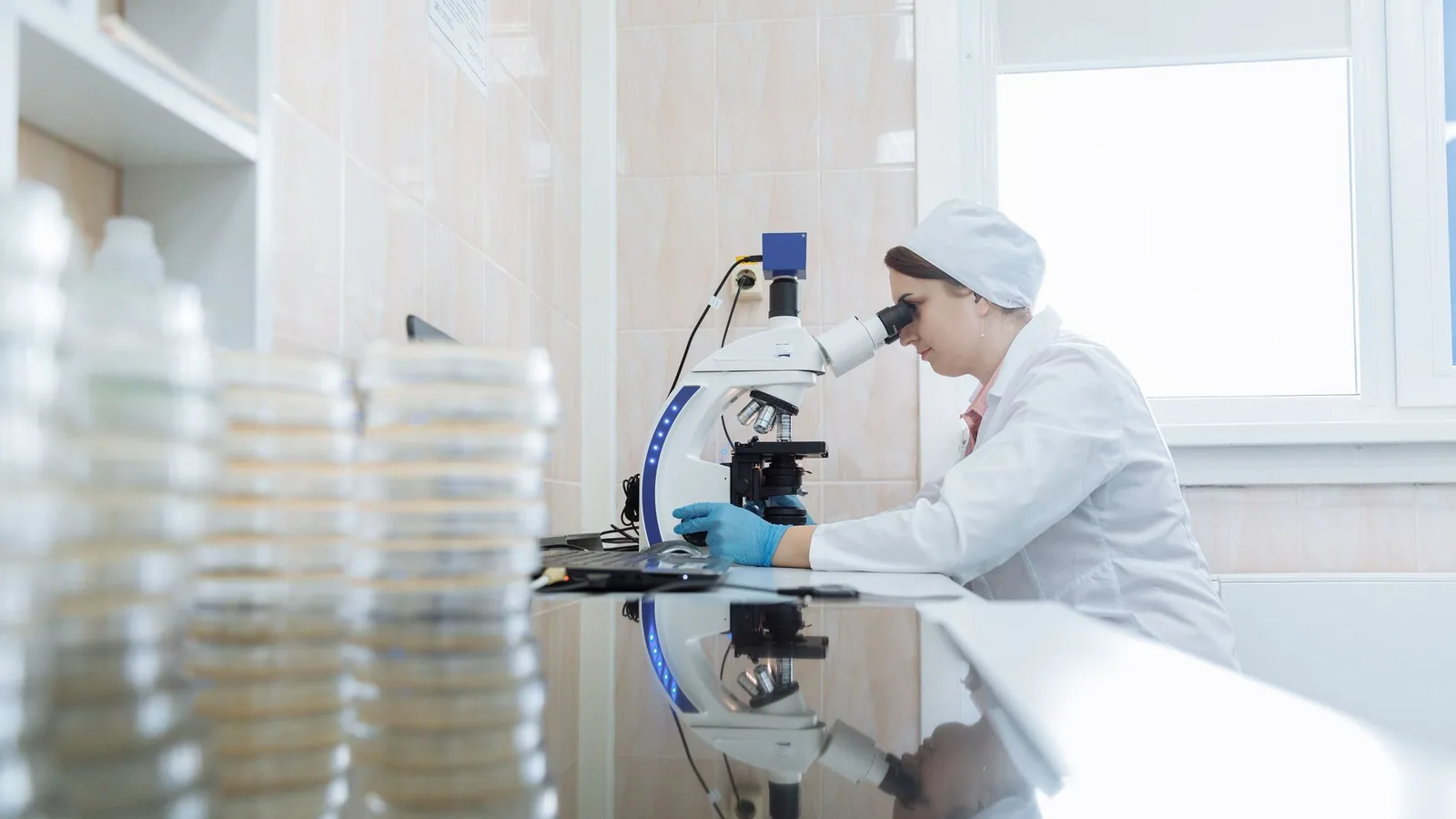
- Medical Laboratory Scientist (MLS), Analyze patient samples in hospitals or diagnostic labs. Requires certification (e.g., ASCP).
- Clinical Research Coordinator (CRC), Manage clinical trials at academic medical centers or contract research organizations.
- Research Assistant or Technician, Work in university, government, or industry labs performing experiments, data collection, and lab maintenance.
- Pharmaceutical Sales Representative, Sell drugs or medical devices to healthcare professionals. Strong communication skills are essential.
- Quality Control Analyst, Test raw materials and finished products in pharmaceutical or biotech companies to ensure compliance with regulations.
These jobs provide a stable foundation and often serve as stepping stones to advanced degrees in medicine, pharmacy, or doctoral research.
Emerging Opportunities in Biotech and Bioinformatics
The life sciences industry is evolving rapidly, and biology majors who combine their domain knowledge with computational skills are in high demand. Bioinformatics, in particular, has exploded as genomic data becomes central to drug development and personalized medicine.
High growth roles include:
- Bioinformatics Analyst, Analyze DNA, RNA, or protein sequences using Python, R, and public databases. Many firms hire with a bachelor’s plus basic coding experience.
- Biomanufacturing Associate, Operate and maintain bioreactors and purification systems for producing antibodies, vaccines, or cell therapies.
- Regulatory Affairs Specialist, Prepare and submit documents to agencies like the FDA. A biology background helps in understanding technical product details.
- Scientific Writer or Medical Writer, Translate complex research into documents for journals, regulatory submissions, or marketing materials. Strong writing skills are key.
These positions often offer competitive salaries and a clear path for advancement without requiring a PhD. Certificates in bioinformatics or project management can significantly boost your candidacy.
Government and Environmental Careers
Biology graduates also find rewarding work in the public sector and environmental conservation. These roles emphasize fieldwork, policy, or education and often provide good work life balance and job security.
Common government and environmental jobs:
- Environmental Scientist, Assess pollution, conduct site assessments, and ensure compliance with environmental laws. Employers include consulting firms and federal agencies like the EPA.
- Wildlife Biologist, Study animal populations and habitats for state or federal agencies (e.g., US Fish and Wildlife Service, National Park Service).
- Park Ranger or Naturalist, Educate the public and protect natural resources. Some roles require a biology degree plus interpretative skills.
- Public Health Inspector, Investigate disease outbreaks, inspect food facilities, and promote community health at local health departments.
For these roles, relevant internships, GIS (Geographic Information Systems) skills, and volunteer experience with conservation organizations can set you apart.
Summary Table: Biology Major Jobs at a Glance
| Sector | Example Roles | Typical Entry Requirements |
|---|---|---|
| Healthcare | Medical lab scientist, clinical coordinator | BS + certification (MLS, CRC) |
| Biotech & Pharma | Quality control analyst, biomanufacturing associate | BS, some roles need GMP training |
| Bioinformatics | Bioinformatics analyst, scientific writer | BS + programming skills (Python, R) |
| Government & Environment | Environmental scientist, wildlife biologist | BS, often requires field experience |
| Education & Outreach | Science teacher, museum educator | BS + teaching certification (for K, 12) |
How to Boost Your Job Prospects
Landing a biology major job, especially one that aligns with your interests, takes more than just a degree. Here are actionable steps:
- Gain hands on experience through summer internships, undergraduate research, or volunteer lab work. Employers value practical skills highly.
- Develop marketable hard skills. Learn basic programming (Python, R), data analysis, or laboratory techniques like PCR, ELISA, cell culture, or chromatography.
- Network strategically. Join professional organizations (e.g., American Society for Biochemistry and Molecular Biology, Society for Conservation Biology) and attend local meetups or conferences.
- Consider certifications. For lab roles, seek a Medical Laboratory Scientist (MLS) certification. For regulatory affairs, the Regulatory Affairs Certification (RAC) is respected.
- Tailor your resume. Use keywords from job descriptions and highlight accomplishments (e.g., “Improved assay reproducibility by 20%”). Quantify your impact whenever possible.
A biology degree is versatile, but it requires intentional planning. Whether you aim for a clinical, corporate, or conservation career, the market is full of opportunities for those who prepare strategically.
Written by Zubair Khalid, DVM, MS, PhD, a molecular biologist and computational researcher sharing practical insights in bioinformatics and biotechnology.