Protein-Protein Interaction Research May Reveal New Drug Targets for Autism
By Dr. Zubair Khalid, DVM, MS, PhD ·
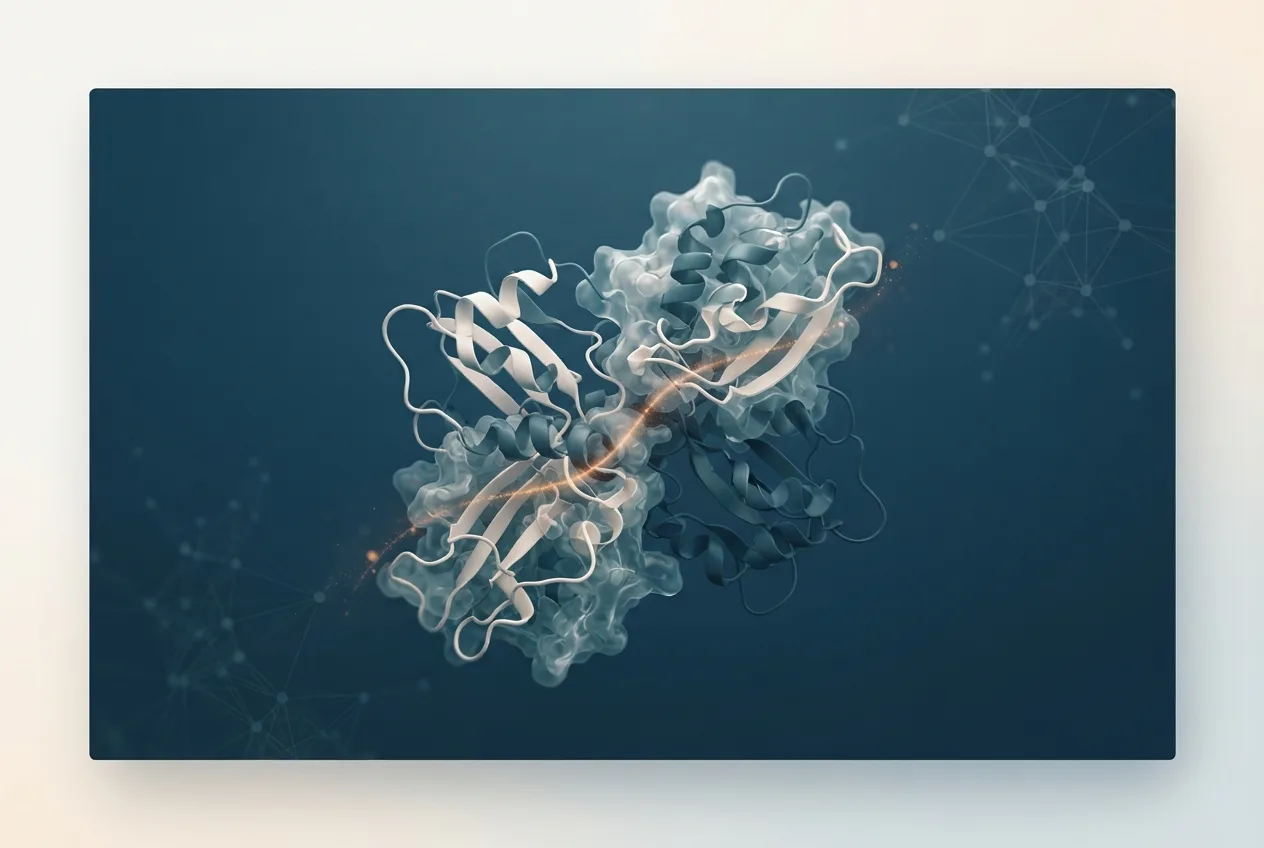
Scientists at the University of California, San Francisco have suggested that studying protein-protein interactions could help identify druggable targets for autism. The research team proposed that examining how proteins interact with each other may shed new light on the biological causes of the disorder.
The approach focuses on mapping the network of protein interactions that may be disrupted in autism. By understanding these molecular connections, researchers hope to find points where drugs could intervene. The work was presented as a potential pathway for drug discovery in autism, a condition that currently has no targeted pharmacological treatments.
Protein-protein interactions are fundamental to nearly every cellular process. When these interactions go awry, they can contribute to disease. In the life sciences, mapping these interactions has become a standard method for identifying new drug targets, especially for complex conditions where the underlying biology is not fully understood. For autism, which involves many genetic and environmental factors, this approach may offer a more systematic way to find therapeutic entry points.
Source: original report
Key Takeaways
- Studying protein-protein interactions may reveal druggable targets for autism by mapping molecular connections disrupted in the disorder.
- Researchers at the University of California, San Francisco proposed that examining protein interaction networks could uncover biological causes of autism.
- Autism currently has no targeted pharmacological treatments, making protein-protein interaction mapping a potential pathway for drug discovery.
- Protein-protein interactions govern nearly every cellular process, and their disruption can contribute to disease, including complex conditions like autism.
- Mapping protein interactions is a standard method for identifying drug targets when underlying biology is not fully understood, offering systematic therapeutic entry points for autism.