
Phenotypes Definition Biology
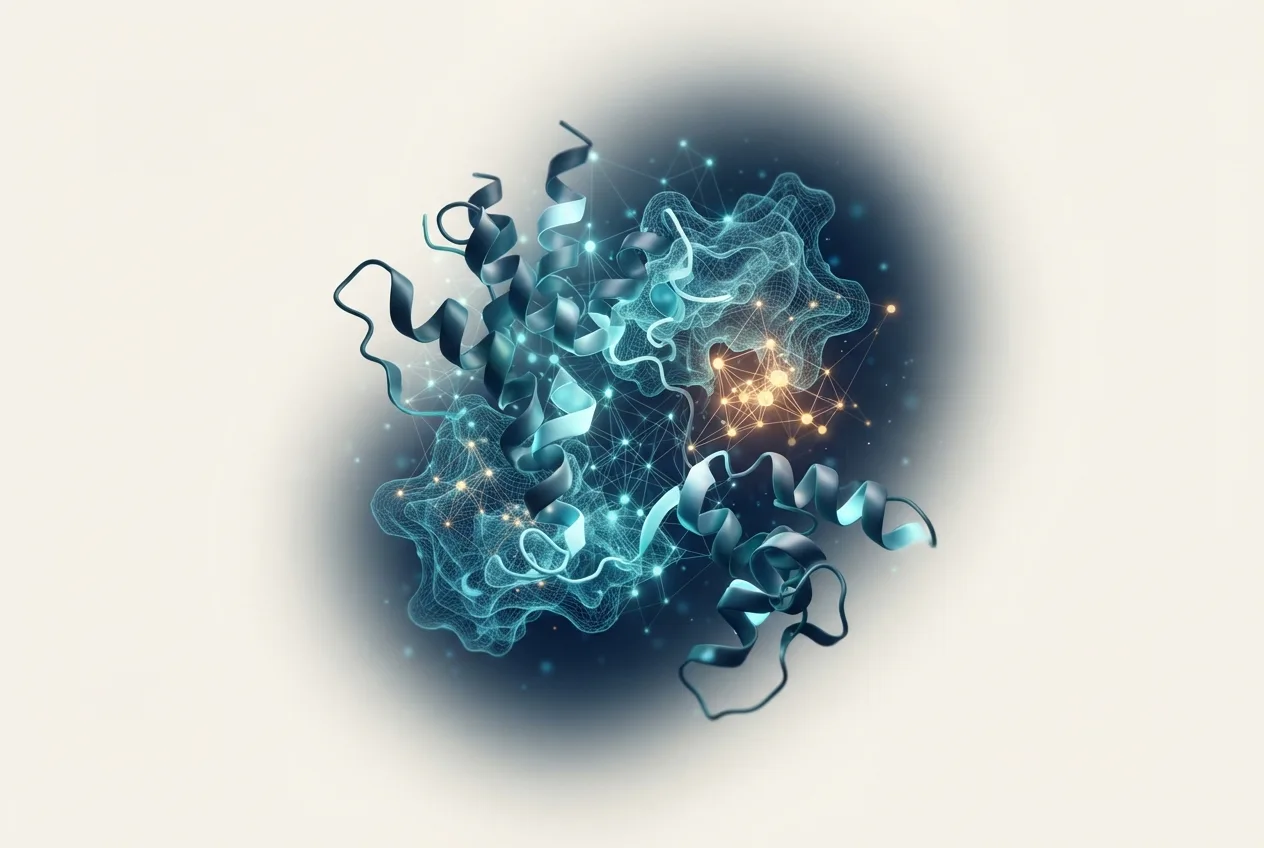
If you have ever wondered why some people have blue eyes while others have brown, or why certain plants grow tall while others stay short, you have been observing phenotypes. In biology, a phenotype is the set of observable characteristics or traits of an organism. These traits result from the interaction of its genetic makeup (genotype) with the environment. Understanding phenotypes is fundamental to fields ranging from genetics and evolutionary biology to medicine and agriculture. This guide will break down what phenotypes are, how they are shaped, and why they matter.
What Exactly is a Phenotype?
The phenotype is the physical expression of an organism's genes. It includes everything you can see, measure, or detect. This is not limited to physical appearance. It also encompasses biochemical properties, physiological processes, and even behaviors.
Think of it this way. The genotype is the blueprint or the set of instructions. The phenotype is the actual building that results from those instructions, modified by the surroundings. A single genotype can produce different phenotypes depending on environmental conditions. For example, a plant with the genetic potential to grow tall will be stunted if it does not receive enough sunlight or water.
Key categories of phenotypic traits include:
- Morphological traits: These are physical features like height, eye color, flower shape, or leaf size.
- Physiological traits: These involve internal body functions, such as metabolic rate, blood pressure, or photosynthetic efficiency.
- Behavioral traits: These are patterns of action, like bird migration, mating dances, or foraging strategies.
The Genotype Phenotype Connection
The relationship between genotype and phenotype is not a simple one to one mapping. It is a complex interplay shaped by several factors.
First, dominance plays a role. In many traits, one allele (version of a gene) can mask the effect of another. For instance, in pea plants, the allele for purple flowers is dominant over the allele for white flowers. A plant with one purple and one white allele will still have a purple phenotype.
Second, incomplete dominance and codominance create blended or combined phenotypes. In snapdragons, a cross between a red and a white flower produces pink flowers (incomplete dominance). In human blood types, the A and B alleles are codominant, resulting in the AB blood type.
Third, environmental influence is powerful. The classic example is the Himalayan rabbit. These rabbits have a genotype that produces dark fur, but only on the cooler parts of their body like the ears, nose, paws, and tail. The same rabbit raised in a warm environment will have mostly white fur. This shows that temperature directly affects the phenotype.
Phenotypic Plasticity: Nature and Nurture in Action
Phenotypic plasticity is the ability of one genotype to produce different phenotypes in response to different environmental conditions. This is a critical concept in biology because it allows organisms to adapt to changing environments without genetic changes.
Consider the human body. A person who trains as a long distance runner will develop a different phenotype (higher lung capacity, denser capillaries in leg muscles, lower resting heart rate) than a person who does not exercise. Their genotype is the same, but the phenotype has changed due to lifestyle and environment.
In plants, phenotypic plasticity is especially dramatic. A single plant species can look completely different in a shady forest versus a sunny field. It might grow tall and thin to reach light in the shade, or short and bushy in direct sun. This flexibility is a survival advantage.
Why Phenotypes Matter in Research and Medicine
Studying phenotypes is central to many scientific and practical applications.
- Genetics and Breeding: Breeders select plants and animals based on desirable phenotypes, such as higher milk yield in cows or disease resistance in wheat. Understanding the genetic basis of these phenotypes allows for more precise breeding.
- Medical Diagnosis: Many diseases are defined by their phenotype. For example, the physical symptoms of cystic fibrosis (thick mucus, lung infections) are the phenotype of a specific genetic mutation. Doctors use these observable signs to diagnose and treat patients.
- Evolutionary Biology: Natural selection acts on phenotypes. Organisms with traits that are better suited to their environment are more likely to survive and reproduce, passing on the underlying genotypes that produced those successful phenotypes.
- Personalized Medicine: The field of pharmacogenomics studies how a person's genetic makeup influences their response to drugs. The goal is to predict the drug response phenotype and tailor treatments accordingly, maximizing effectiveness and minimizing side effects.
Summary Table: Genotype vs. Phenotype
| Feature | Genotype | Phenotype | | :-, | :-, | :-, | | Definition | The genetic makeup of an organism. | The observable characteristics of an organism. | | Composition | DNA sequence, alleles. | Physical, physiological, and behavioral traits. | | Heritability | Inherited from parents. | Partially inherited, partially influenced by environment. | | Observability | Requires molecular analysis (DNA sequencing). | Directly observable or measurable. | | Examples | The genes for eye color. | Blue eyes, brown eyes. | | Changeability | Stable, changes only through mutation. | Can change throughout life due to environment. |
In conclusion, the phenotype is the visible result of the complex dialogue between an organism's genes and its environment. It is the trait we can see, measure, and study. Whether you are a student of biology, a professional in healthcare, or simply curious about the natural world, understanding phenotypes provides a powerful lens for viewing the living world around you. It bridges the gap between the invisible code of life and the observable reality of that code in action.
Written by Zubair Khalid, DVM, MS, PhD, a molecular biologist and computational researcher sharing practical insights in bioinformatics and biotechnology.