
Mutation Definition Biology
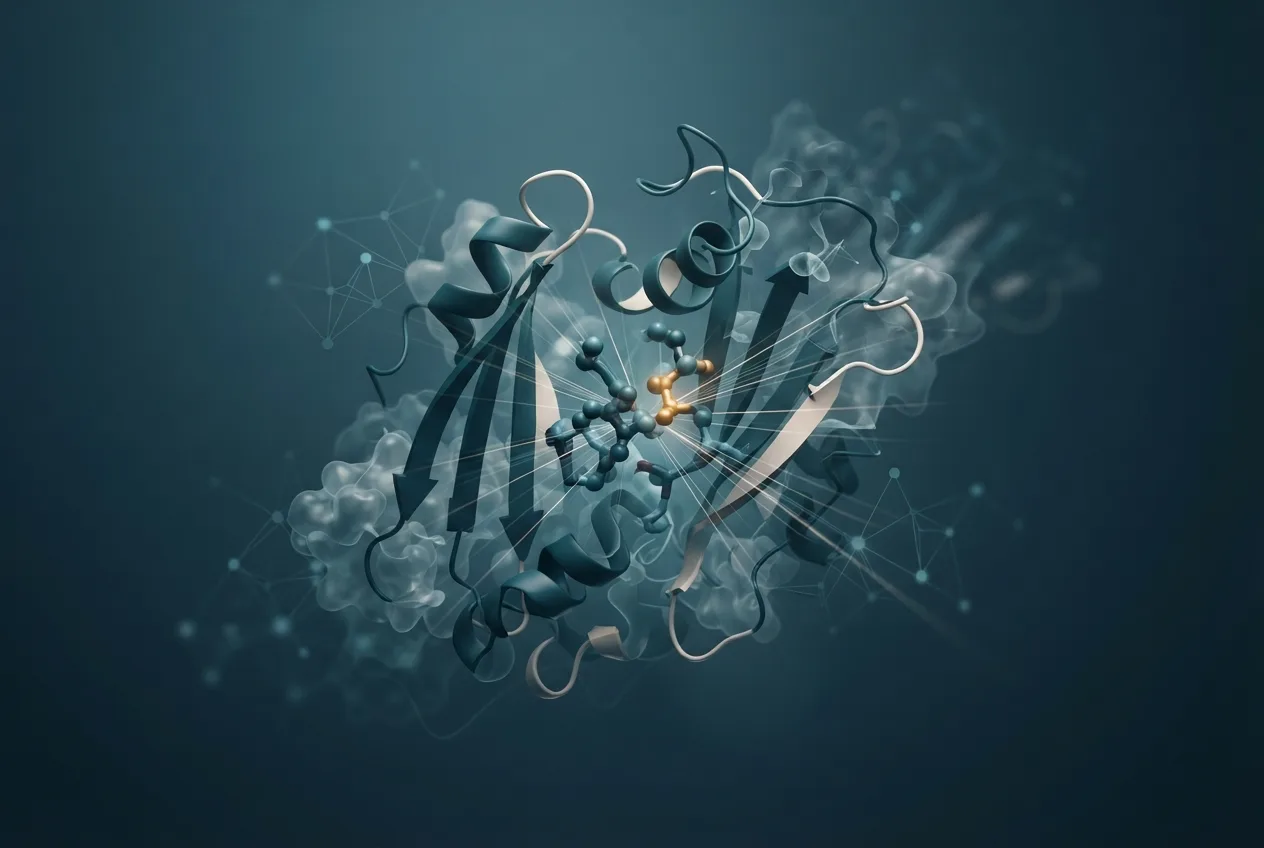
In biology, a mutation is a permanent change in the DNA sequence of an organism. These changes can range from a single nucleotide base substitution to large scale deletions or insertions of entire chromosome segments. Mutations are the ultimate source of all genetic variation, providing the raw material for evolution. While many mutations are neutral or harmful, some can be beneficial, allowing organisms to adapt to changing environments. Understanding mutations is fundamental to genetics, medicine, and evolutionary biology.
What Causes Mutations?
Mutations arise from two primary sources: spontaneous errors during DNA replication and exposure to external mutagens.
Spontaneous Mutations occur naturally during cell division. DNA polymerase, the enzyme responsible for copying DNA, makes mistakes approximately once every 100,000 to 1 million base pairs. While proofreading mechanisms correct most errors, some slip through. These replication errors include:
- Base substitutions (point mutations)
- Insertions or deletions (indels)
- Slipped strand mispairing in repetitive DNA regions
Induced Mutations result from exposure to environmental agents called mutagens. Common mutagens include:
- Chemical mutagens: Nitrous acid, base analogs, alkylating agents, and polycyclic aromatic hydrocarbons found in tobacco smoke
- Physical mutagens: Ionizing radiation (X rays, gamma rays) and ultraviolet (UV) radiation from sunlight
- Biological mutagens: Some viruses can insert their genetic material into host DNA, causing mutations
The rate of mutation varies across species and genomic regions. In humans, the average mutation rate is about 1.1 x 10^8 per base pair per generation, meaning each newborn carries roughly 50 to 100 new mutations not present in their parents.
Types of Mutations and Their Effects
Biologists classify mutations based on their scale and impact on protein function.
Point Mutations (Single Nucleotide Changes)
These involve a change in a single DNA base pair. They fall into three categories:
| Mutation Type | Description | Example |
|---|---|---|
| Silent | No change in amino acid due to genetic code redundancy | GAA to GAG (both code for Glutamic acid) |
| Missense | Changes one amino acid in the protein | Sickle cell anemia (Glutamic acid to Valine) |
| Nonsense | Creates a premature stop codon, truncating the protein | Often causes severe disease |
Frameshift Mutations
Insertions or deletions of nucleotides that are not multiples of three shift the reading frame. This alters every amino acid downstream from the mutation, usually producing a nonfunctional protein. Frameshift mutations typically have more severe consequences than point mutations.
Chromosomal Mutations
These large scale changes affect entire chromosome segments:
- Deletion: Loss of a chromosome segment
- Duplication: Repetition of a segment
- Inversion: Reversal of orientation within a chromosome
- Translocation: Movement of a segment to a nonhomologous chromosome
Chromosomal mutations often cause developmental abnormalities and are associated with conditions like Down syndrome (trisomy 21) and Cri du chat syndrome (deletion on chromosome 5).
The Biological Importance of Mutations
Mutations are not merely errors. They play several critical roles in biology.
Evolutionary Drivers. Without mutations, all organisms would be genetically identical. Mutations generate the genetic diversity that natural selection acts upon. Beneficial mutations, though rare, can spread through populations over generations. For example, the mutation conferring lactose tolerance in humans arose approximately 10,000 years ago and spread rapidly in dairy farming populations.
Disease Mechanisms. Many human diseases result directly from mutations. Cancer arises from accumulated mutations in oncogenes and tumor suppressor genes. Inherited mutations cause disorders such as cystic fibrosis, Huntington disease, and BRCA related breast cancer. Understanding specific mutations helps clinicians diagnose diseases and develop targeted therapies.
Biotechnology and Research. Scientists harness mutations for practical applications. Site directed mutagenesis allows researchers to study protein function by creating specific changes. CRISPR technology enables precise genome editing for gene therapy. In agriculture, induced mutations have produced disease resistant crops and improved yields.
Practical Tips for Studying Mutations
If you are a student or researcher working with mutations, keep these guidelines in mind:
- Use proper controls. Always include wild type samples to distinguish true mutations from sequencing artifacts.
- Validate with independent methods. Confirm suspected mutations with Sanger sequencing or restriction enzyme digestion.
- Consider functional impact. Not all mutations are equal. Use tools like SIFT, PolyPhen, or CADD to predict whether a mutation is likely pathogenic.
- Document thoroughly. Record the exact genomic coordinates, reference sequence, and experimental conditions for reproducibility.
- Distinguish germline from somatic. Germline mutations are heritable; somatic mutations occur in nonreproductive cells and are not passed to offspring.
Understanding mutation definition biology is essential for anyone working in genetics, medicine, or biotechnology. Whether you are diagnosing a genetic disorder, engineering a new crop variety, or studying evolutionary relationships, mutations are the central phenomenon to master.
Written by Zubair Khalid, DVM, MS, PhD, a molecular biologist and computational researcher sharing practical insights in bioinformatics and biotechnology.