Lipids: Structure, Types and Functions
By Dr. Zubair Khalid, DVM, MS, PhD ·
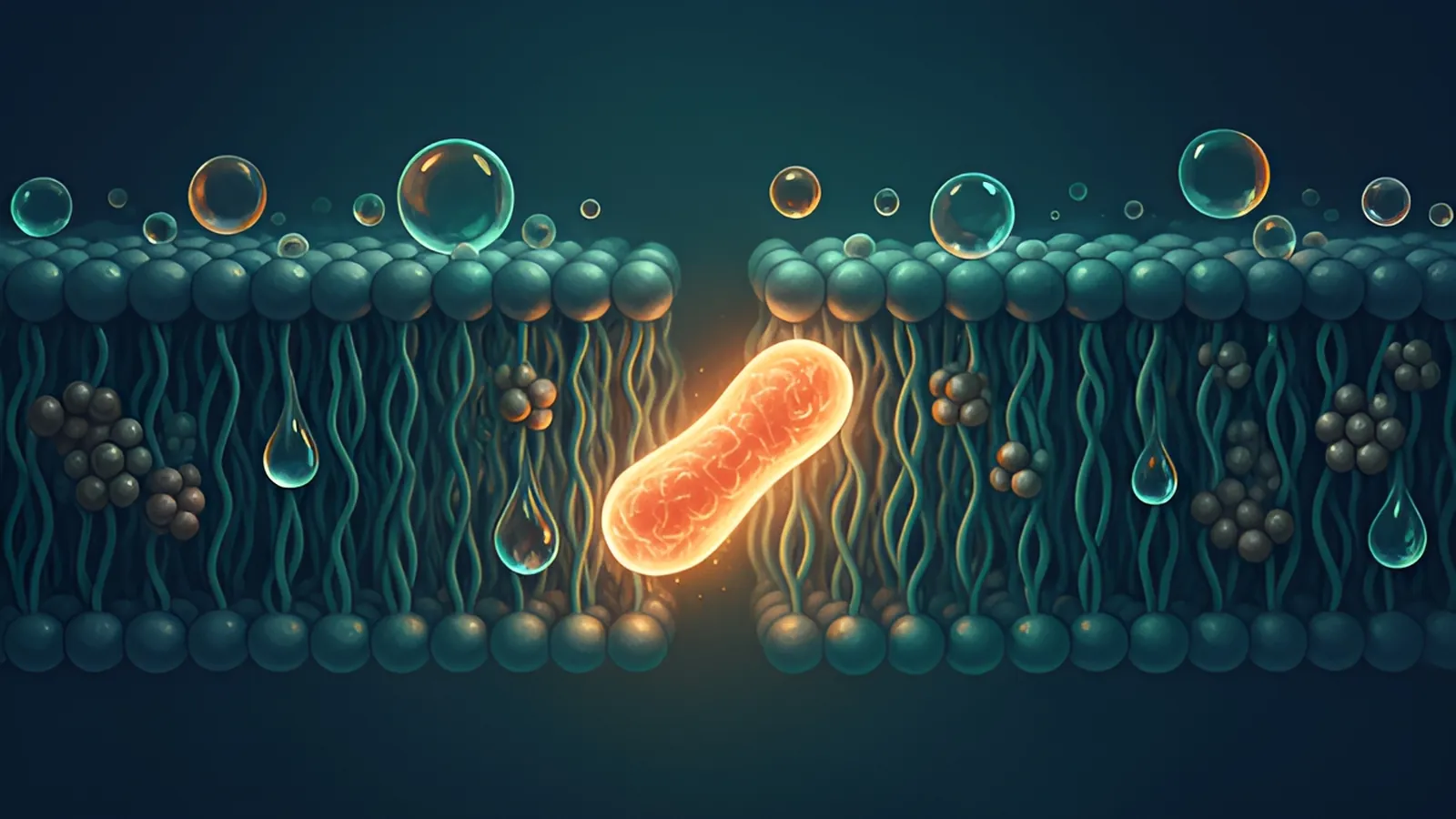
Lipids are a heterogeneous group of molecules that share the common property of hydrophobicity (Introduction to fatty acids and lipids). They range in structure from simple short hydrocarbon chains to complex molecules such as triacylglycerols, phospholipids, and sterols and their esters.
Fatty acids are common components of complex lipids and differ by chain length and by the presence, number, and position of double bonds in the hydrocarbon chain (Introduction to fatty acids and lipids). Structural variation among complex lipids and among fatty acids produces functional differences that affect metabolism and cell and tissue responses. Lipids form cell membranes, generate signaling molecules, and supply bioactive metabolites that regulate cell behavior (Mammalian lipids: structure, synthesis and function).
Key Points
- Lipids are divided into eight categories: fatty acyls, glycerolipids, glycerophospholipids, sphingolipids, sterol lipids, prenol lipids, saccharolipids, and polyketides (A comprehensive classification system for lipids).
- The classification scheme is chemically based and driven by the distinct hydrophobic and hydrophilic elements that compose each lipid; every unique lipid molecule receives a 12-character identifier.
- Fatty acids are the main building blocks of lipids and are a major source of lipid diversity in cells (Mammalian lipids: structure, synthesis and function).
- Lipids are essential constituents of cellular membranes and also act in cell signaling and in the production of bioactive metabolites.
- Alterations in membrane lipid metabolism are associated with cancer, Type II diabetes, cardiovascular disease, and immune disorders.
- Bioactive lipid metabolites can act as second messengers, be released to regulate other cells, or recruit proteins to membranes through lipid-binding domains.
At a Glance
| Item | Detail |
|---|---|
| Definition | Water-insoluble organic molecules including fats, oils and sterols |
| Core building blocks | Fatty acids, glycerol, phosphate groups and sphingosine |
| Major classes | Fatty acyls, glycerolipids, sphingolipids, sterols and related groups (A comprehensive classification system for lipids) |
| Main functions | Energy storage, membrane structure, signaling and insulation (Mammalian lipids: structure, synthesis and function) |
| Dietary focus | Saturated, unsaturated and essential fatty acids (Introduction to fatty acids and lipids) |
| Found in | Mammalian tissues, foods, marine life and industry (Mammalian lipids: structure, synthesis and function; Coral Lipids) |
Lipids are grouped by a physical property, poor solubility in water, so the category spans molecules as different as cholesterol and a triglyceride. The sections below cover their chemistry, their classification and the jobs they perform in cells, foods and industry.
What Are Lipids?
Lipids are a heterogeneous group of molecules that share the common property of hydrophobicity (Introduction to fatty acids and lipids). That single shared trait, poor solubility in water, holds the group together. Members range from simple short hydrocarbon chains to complex molecules such as triacylglycerols, phospholipids and sterols and their esters.
The defining property
A molecule is treated as a lipid when it dissolves in organic solvents such as chloroform, ether, hexane or acetone and does not dissolve appreciably in water. Some lipids are entirely nonpolar, with no water-loving region at all. Others are amphipathic: they carry a hydrophobic hydrocarbon portion and a hydrophilic head group. Amphipathic lipids are the ones that build membranes, because in water they arrange themselves so that tails avoid water and heads face it.
What the group includes
Fats, oils, waxes, sterols, phospholipids and related compounds all fall under the lipid heading (A comprehensive classification system for lipids). The list extends to fatty acids and their derivatives, glycerolipids, glycerophospholipids, sphingolipids, sterol lipids, prenol lipids, saccharolipids and polyketides. Because the group is defined by physical behavior instead of a single functional group, classification schemes are built on chemical structure, driven by the distinct hydrophobic and hydrophilic elements that compose each lipid.
Where lipids occur
In mammals, lipids are essential constituents of cellular membranes and also serve as signaling molecules and bioactive metabolites (Mammalian lipids: structure, synthesis and function). They appear in foods as fats and oils, in marine organisms, and in industrial products. Reef-building corals, for example, produce a wide range of fatty acids and acyl derivatives, including waxes, sterol esters, triacylglycerols, betaine lipids, glycolipids, sphingolipids, phospholipids and phosphonolipids (Coral Lipids).
Why the boundary is loose
Some molecules sit at the edge of the definition. Cholesterol is a lipid by solubility but has a fused-ring structure with almost no resemblance to a triglyceride. Retinol and structurally similar vitamins are grouped with the prenol lipids (A comprehensive classification system for lipids). The practical test remains behavior in solvent and in water, and the practical consequence is that lipids perform a wide range of jobs: energy storage, membrane structure, signaling and insulation (Mammalian lipids: structure, synthesis and function).
Chemical Structure and Building Blocks
Lipid structure is modular. A small number of building blocks, joined in different combinations, produce the thousands of distinct lipids found in cells and tissues. Fatty acids are the main building blocks of lipids and contribute to their diversity (Mammalian lipids: structure, synthesis and function).
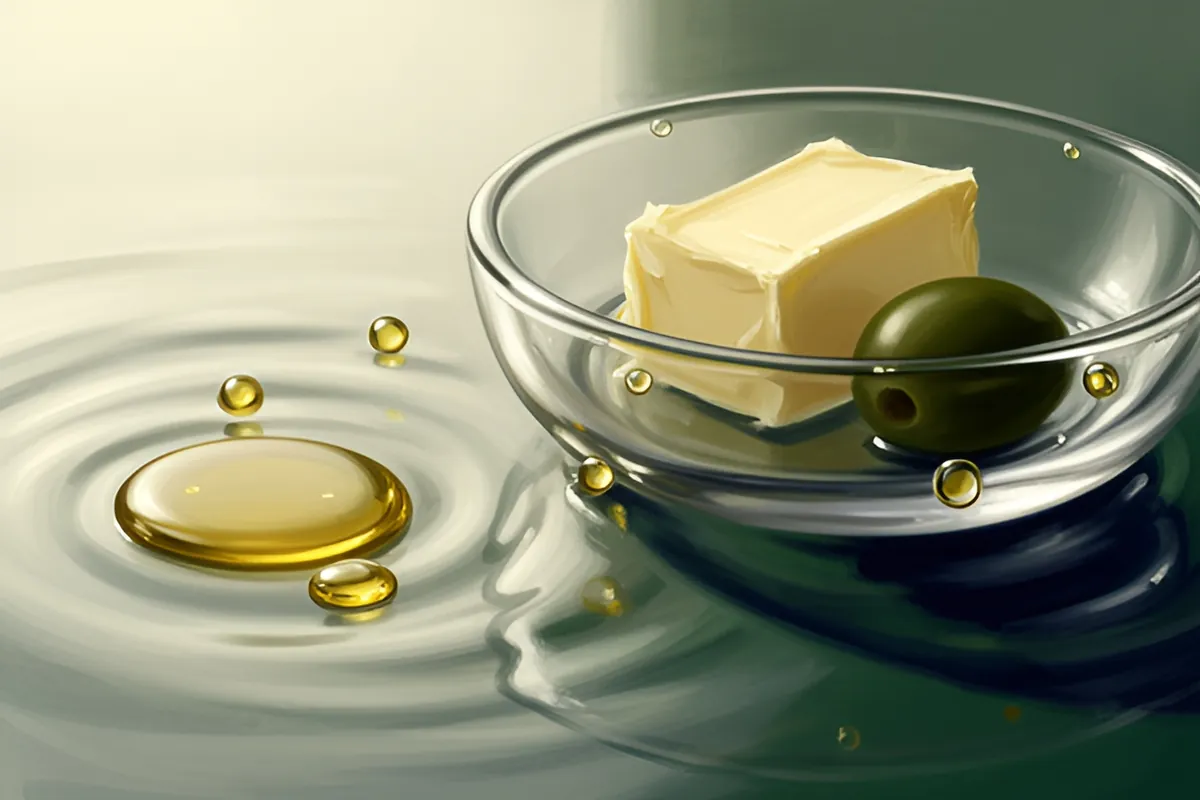
Fatty acids
A fatty acid is a hydrocarbon chain with a carboxyl group at one end (Introduction to fatty acids and lipids). The carboxyl group is polar and can ionize; the chain is nonpolar. That combination makes free fatty acids amphipathic, though the longer the chain, the more the nonpolar part dominates.
Fatty acids differ according to chain length and the presence, number and position of double bonds in the hydrocarbon chain (Introduction to fatty acids and lipids). Shorthand notation records both: C18:0 is an 18-carbon chain with no double bonds (stearic acid), and C18:1 n-9 is an 18-carbon chain with one double bond nine carbons from the methyl end (oleic acid). Structural variation among fatty acids gives rise to functional differences that affect metabolism and cell and tissue responses.
Glycerol and its esters
Glycerol is a three-carbon alcohol with a hydroxyl group on each carbon. Fatty acids attach to these hydroxyls through ester bonds. One fatty acid gives a monoacylglycerol, two give a diacylglycerol, and three give a triacylglycerol, the main storage form of fat in adipose tissue and the main component of dietary fat. Glycerol links fatty acids to form triglycerides and phospholipids (Mammalian lipids: structure, synthesis and function).
Phosphate head groups
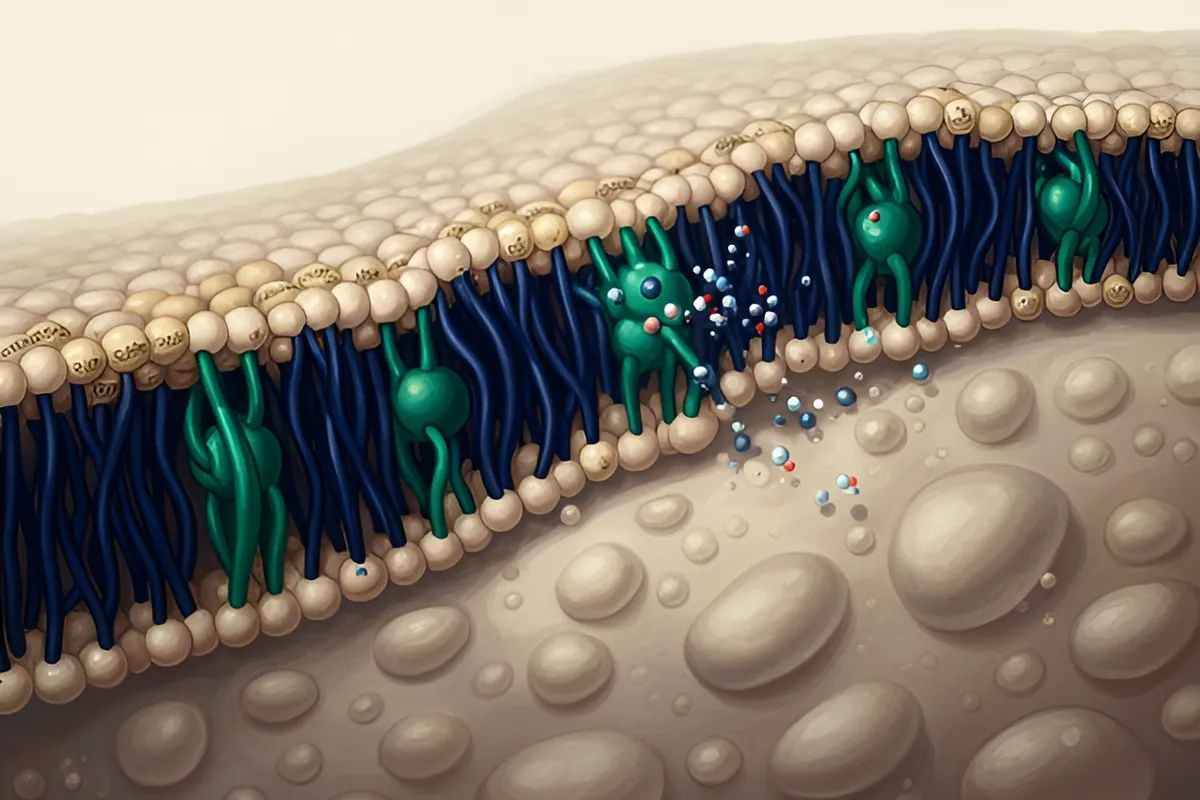
Phospholipids combine glycerol, fatty acids and a phosphate head group (Mammalian lipids: structure, synthesis and function). The glycerol backbone carries two fatty acid tails and a phosphate-containing head. The head group varies: choline in phosphatidylcholine, ethanolamine in phosphatidylethanolamine, serine in phosphatidylserine, inositol in phosphatidylinositol. Because the tails are hydrophobic and the head is hydrophilic, phospholipids form bilayers in water, which is the structural basis of every cell membrane.
Sphingosine backbones
Sphingolipids build on sphingosine instead of glycerol (Mammalian lipids: structure, synthesis and function). Sphingosine is an amino alcohol with a long hydrocarbon chain. Attaching a fatty acid to its amino group produces a ceramide, the parent compound of the class. Adding phosphocholine to ceramide produces sphingomyelin, a major membrane lipid in nerve tissue.
Double bonds, shape and fluidity
Saturated chains have no double bonds and pack tightly, so they tend to be solid at room temperature. A cis double bond introduces a kink that prevents tight packing, lowers the melting temperature and increases membrane fluidity (Introduction to fatty acids and lipids). Stearic acid (C18:0) melts near 69 °C, while oleic acid (C18:1), with one cis double bond, melts near 13 °C. Trans double bonds produce a straighter chain that behaves more like a saturated one. Chain length matters too: longer chains pack more strongly and raise the melting temperature.
Major Classes of Lipids
Lipid classification divides the field into eight categories: fatty acyls, glycerolipids, glycerophospholipids, sphingolipids, sterol lipids, prenol lipids, saccharolipids and polyketides (A comprehensive classification system for lipids). Each category contains distinct classes and subclasses of molecules. The scheme is chemically based and driven by the distinct hydrophobic and hydrophilic elements that compose the lipid.
| Category | Core structure | Representative members | Typical roles |
|---|---|---|---|
| Fatty acyls | Hydrocarbon chain plus carboxyl group | Free fatty acids, eicosanoids, waxes | Fuel, signaling, waterproofing |
| Glycerolipids | Glycerol plus one to three fatty acids | Triacylglycerols, diacylglycerols | Energy storage, signaling |
| Glycerophospholipids | Glycerol, fatty acids, phosphate head group | Phosphatidylcholine, phosphatidylserine | Membrane bilayers, signaling |
| Sphingolipids | Sphingosine backbone | Ceramides, sphingomyelins, glycolipids | Membranes, signaling, recognition |
| Sterol lipids | Fused four-ring nucleus | Cholesterol, steroid hormones, bile acids | Membrane order, hormones, digestion |
| Prenol lipids | Isoprene units | Retinoids, ubiquinone, dolichols | Vitamins, electron transport |
| Saccharolipids | Fatty acids linked to sugars | Acylated sugars | Bacterial envelopes |
| Polyketides | Acetate or propionate units | Antibiotics, toxins | Defense, drugs |
Fatty acyls
Fatty acyls include free fatty acids and fatty acid derivatives (A comprehensive classification system for lipids). This category holds arachidonic acid and the eicosanoids derived from it, along with waxes and fatty alcohols.
Glycerolipids and glycerophospholipids
Glycerolipids contain glycerol linked to one or more fatty acids (A comprehensive classification system for lipids). Glycerophospholipids add phosphate and commonly form membrane bilayers. The distinction matters because the phosphate head changes both solubility and biological role, turning a storage molecule into a membrane building block.
Sphingolipids
Sphingolipids include ceramides, sphingomyelins and glycolipids (A comprehensive classification system for lipids). Glycolipids carry sugar head groups and take part in cell recognition and adhesion.
Sterol lipids
Sterol lipids include cholesterol and steroid hormones (A comprehensive classification system for lipids). Cholesterol modulates membrane fluidity and serves as the precursor for cortisol, aldosterone, testosterone, estradiol and bile acids.
The remaining categories
Prenol lipids, saccharolipids and polyketides complete the classification (A comprehensive classification system for lipids). Prenol lipids are assembled from isoprene units; saccharolipids link fatty acids to sugar cores; polyketides arise from repeated condensation of small acid units and include many antibiotics and toxins.
The categories are not isolated in the cell. Lipids are produced, transported and recognized by the concerted actions of numerous enzymes, binding proteins and receptors (A comprehensive classification system for lipids).
Fatty Acids and Their Properties
Fatty acids are the simplest lipid building blocks and the units that give larger lipids much of their behavior. Each one is a hydrocarbon chain with a carboxylic acid group at one end. Fatty acids differ in chain length and in the presence, number and position of double bonds in that chain, and these structural variations produce functional differences that affect metabolism and the response of cells and tissues (Introduction to fatty acids and lipids).
The Carboxyl Head and the Hydrocarbon Tail
The carboxyl group (-COOH) is polar and forms hydrogen bonds with water. The hydrocarbon tail is nonpolar and avoids water. This split character makes fatty acids amphipathic: they dissolve poorly in water on their own, but they orient at interfaces between water and oil. In a membrane or a fat droplet, the tails cluster together and the heads face the watery surroundings.
Fatty acids are named with a shorthand. The first number counts carbons, the number after the colon counts double bonds. Palmitic acid is 16:0 and oleic acid is 18:1. The position of the first double bond counted from the methyl end is written with the omega label, so oleic acid is 18:1 n-9.
Saturated Fatty Acids
Saturated fatty acids have no double bonds in the carbon chain (Introduction to fatty acids and lipids). Every carbon in the tail carries the maximum number of hydrogens, so the chain is a straight, flexible rod. Straight chains stack tightly against each other, which is why saturated fats such as butter and tallow are solid at room temperature.
Unsaturated Fatty Acids
Unsaturated fatty acids contain one or more double bonds (Introduction to fatty acids and lipids). One double bond makes a fatty acid monounsaturated; two or more make it polyunsaturated. Each double bond removes two hydrogens from the chain and creates a rigid kink that cannot rotate freely.
Cis and Trans Geometry
Cis double bonds bend chains; trans double bonds keep chains straighter (Introduction to fatty acids and lipids). In the cis form, both hydrogens sit on the same side of the double bond, forcing a bend. In the trans form, they sit on opposite sides, so the chain resembles a saturated chain in shape. The bend matters: cis-unsaturated chains pack loosely and stay liquid at low temperatures, while trans chains pack more like saturated ones.
Chain Length, Melting Point and Fluidity
Chain length and saturation affect melting point and membrane fluidity (Introduction to fatty acids and lipids). Longer chains and greater saturation raise the melting point; shorter chains and cis double bonds lower it. Cells adjust the fatty acid mix in their membranes to keep the bilayer in a workable range of fluidity as temperature changes.
Essential Fatty Acids
Essential fatty acids cannot be synthesized and must come from diet (Introduction to fatty acids and lipids). In humans these are linoleic acid (18:2 n-6) and alpha-linolenic acid (18:3 n-3). Mammalian enzymes can insert double bonds toward the carboxyl end of the chain but not beyond a fixed point, so the parent omega-6 and omega-3 fatty acids must be supplied by food. From these two, the body builds longer products such as arachidonic acid, eicosapentaenoic acid and docosahexaenoic acid.
| Fatty acid | Shorthand | Double bonds | Class | Common source |
|---|---|---|---|---|
| Palmitic acid | 16:0 | 0 | Saturated | Palm oil, animal fat |
| Stearic acid | 18:0 | 0 | Saturated | Beef fat, cocoa butter |
| Oleic acid | 18:1 n-9 | 1 | Monounsaturated | Olive oil, avocado |
| Linoleic acid | 18:2 n-6 | 2 | Polyunsaturated, essential | Sunflower, corn oil |
| Alpha-linolenic acid | 18:3 n-3 | 3 | Polyunsaturated, essential | Flaxseed, walnuts |
| Arachidonic acid | 20:4 n-6 | 4 | Polyunsaturated | Meat, egg yolk |
Lipid Synthesis and Metabolism
Cells build, store, move and burn lipids through a set of connected pathways. The same acetyl-CoA unit that feeds energy production also serves as the starting material for fatty acids and cholesterol, and the pathways that assemble lipids are matched by pathways that take them apart. Lipid synthesis is tied closely to lipid transport within cells, with dedicated lipid transport proteins moving molecules between membranes (Mammalian lipids: structure, synthesis and function).
Fatty Acid Synthesis from Acetyl-CoA
Cells synthesize fatty acids from acetyl-CoA using dedicated enzyme pathways (Mammalian lipids: structure, synthesis and function). The first committed step converts acetyl-CoA to malonyl-CoA, and the fatty acid synthase complex then adds two carbons at a time to a growing chain, using NADPH as the reducing agent. In mammals this work happens mainly in the cytosol of liver, adipose tissue and the lactating mammary gland.
A worked example: palmitate (16:0) is built from eight two-carbon units. Seven of those units enter as malonyl-CoA and one enters as the starting acetyl-CoA. Each cycle of addition consumes two NADPH, so a full 16-carbon chain uses 14 NADPH.
Triglycerides: Storage and Release
Triglycerides store fatty acids and release them during energy demand (Mammalian lipids: structure, synthesis and function). A triglyceride is a glycerol backbone with three fatty acids attached. It is assembled in the liver and in adipocytes, then packed into lipid droplets. When energy is needed, lipases hydrolyze fatty acids from the glycerol, and the free fatty acids travel in blood bound to albumin to muscle and other tissues. Insulin and glucagon set the balance between storage and release.
Phospholipid Synthesis and Membranes
Phospholipid synthesis builds and maintains cellular membranes (Mammalian lipids: structure, synthesis and function). Phosphatidic acid is a branch point: it can be converted to diacylglycerol and then to phosphatidylcholine or phosphatidylethanolamine, or it can be activated and combined with a head group alcohol to make phosphatidylinositol, phosphatidylserine and related lipids. Sphingolipids follow a separate route that begins with serine and palmitoyl-CoA. Each membrane in the cell has a characteristic lipid mix, maintained by synthesis, transport and exchange.
Cholesterol Synthesis and Transport
Cholesterol synthesis and transport support membrane and hormone production (Mammalian lipids: structure, synthesis and function). Cholesterol is built from acetyl-CoA through a long pathway in which the enzyme HMG-CoA reductase sets the pace. The sterol stiffens membranes and serves as the precursor for steroid hormones, bile acids and vitamin D. Because cholesterol does not dissolve in plasma, it travels inside lipoproteins such as VLDL, LDL and HDL, which carry lipids between liver, intestine and peripheral tissues.
Lipid Breakdown and Signaling Intermediates
Lipid breakdown yields energy and produces signaling intermediates (Mammalian lipids: structure, synthesis and function). Fatty acids are oxidized two carbons at a time in mitochondria, generating acetyl-CoA, NADH and FADH2 that feed the electron transport chain. In the liver, surplus acetyl-CoA becomes ketone bodies for other tissues. At the same time, phospholipases, lipid kinases and phosphatases trim membrane lipids into short-lived bioactive molecules. These metabolites act as second messengers inside the cell or are released to signal to neighboring cells, allowing the cell to respond to its external environment.
Functions of Lipids
Lipids carry out tasks that range from bulk fuel storage to fine control of cell behavior. Once treated as passive structural material, they are now known to regulate many physiological functions, and altered membrane lipid metabolism is associated with major diseases including cancer, Type II diabetes, cardiovascular disease and immune disorders (Mammalian lipids: structure, synthesis and function).
Energy Storage
Triglycerides pack dense calories for later use (Mammalian lipids: structure, synthesis and function). Fat holds about 9 kcal per gram, roughly twice the energy per gram of carbohydrate or protein, and it is stored with little associated water. An adult carrying a kilogram of body fat holds a large fuel reserve that can be released over hours or days. Adipose tissue acts as an energy bank, and the balance between deposit and withdrawal is controlled by hormones and by the energy status of the body.
Membrane Structure
Phospholipids form bilayers around cells and organelles (Mammalian lipids: structure, synthesis and function). Each phospholipid has a water-loving head and two water-fearing tails, so in water they arrange into two facing sheets with the tails buried inside. This bilayer is a barrier that controls what enters and leaves. Cholesterol sits between phospholipid tails and adjusts packing, while sphingolipids and glycolipids cluster in patches that organize receptors and signaling proteins.
Signaling
Lipids act as hormones, second messengers and inflammatory mediators (Mammalian lipids: structure, synthesis and function). Steroid hormones such as cortisol, aldosterone and the sex hormones are built from cholesterol and travel through blood to distant targets. Eicosanoids, including prostaglandins, thromboxanes and leukotrienes, are made from arachidonic acid and act locally to regulate inflammation, blood flow and clotting. Inside the cell, diacylglycerol and inositol phosphates carry signals from receptors to downstream targets, and other lipid metabolites recruit proteins to membranes through lipid-binding domains.
Protection and Insulation
Fats cushion organs and reduce heat loss (Mammalian lipids: structure, synthesis and function). Fat pads around the kidneys, heart and eyes absorb mechanical shock, and a layer of subcutaneous fat limits heat loss from the body surface. In marine mammals and in birds that live in cold water, a thick blubber layer serves the same purpose. Lipids also form the myelin sheath that insulates nerve fibers and speeds the conduction of nerve impulses.
Nutrient Transport
Lipids help absorb and carry fat-soluble vitamins (Mammalian lipids: structure, synthesis and function). Vitamins A, D, E and K dissolve in fat, so their absorption depends on bile acids and on micelle formation in the small intestine. Once inside the enterocyte, they are packaged into chylomicrons and carried through lymph into blood. A person with fat malabsorption may therefore develop deficiencies of these vitamins even when intake is adequate.
| Function | Main lipid class | Example |
|---|---|---|
| Energy storage | Triacylglycerols | Adipose tissue reserves |
| Membrane structure | Phospholipids, cholesterol, sphingolipids | Plasma and organelle membranes |
| Signaling | Steroids, eicosanoids, phosphoinositides | Cortisol, prostaglandins, diacylglycerol |
| Protection and insulation | Triacylglycerols, myelin lipids | Perirenal fat pads, nerve sheath |
| Nutrient transport | Bile acids, chylomicrons | Absorption of vitamins A, D, E, K |
Lipids in Food and Nutrition
Dietary fat supplies energy, carries flavor and texture, and delivers fatty acids the body cannot make. The amount and the type of fat in the diet both matter, because different fatty acids enter different metabolic pools and end up in different membranes and signaling pathways.
Dietary Fat as Energy and Essential Fatty Acids
Dietary fats supply energy and essential fatty acids (Introduction to fatty acids and lipids). Fat is the most energy-dense macronutrient in the diet. Two fatty acids cannot be made by the human body: linoleic acid and alpha-linolenic acid. Both must be eaten. From them the body builds longer omega-6 and omega-3 fatty acids, although the conversion is limited and varies between people.
Fat-Soluble Vitamins
Fat-soluble vitamins A, D, E and K require lipid absorption (Mammalian lipids: structure, synthesis and function). These vitamins are absorbed along with dietary fat in the small intestine, packaged into chylomicrons and delivered to the liver and tissues. A meal with almost no fat can reduce their absorption, and conditions that impair fat digestion, such as reduced bile flow or pancreatic insufficiency, can lead to deficiency over time. Vitamin A supports vision, vitamin D supports calcium balance, vitamin E acts as an antioxidant, and vitamin K is needed for blood clotting.
Unsaturated Fats from Plants and Fish
Unsaturated fats from plant oils and fish differ from animal fats (Introduction to fatty acids and lipids). Plant oils such as olive, canola, sunflower and soybean oil are rich in mono- and polyunsaturated fatty acids, while animal fats such as butter, lard and tallow contain more saturated fatty acids. Oily fish provide the long-chain omega-3 fatty acids eicosapentaenoic acid and docosahexaenoic acid, which the body can use more directly than the plant omega-3 precursor alpha-linolenic acid. The mix of fatty acids in the diet influences membrane composition and the pool of fatty acids available for signaling.
Reading a Food Label
Food labels list total fat, saturated fat and trans fat. Total fat covers all lipid in a serving. Saturated fat is listed separately because intake is linked to blood cholesterol levels in many people. Trans fat appears because partially hydrogenated oils raise LDL cholesterol and lower HDL cholesterol. The label often does not list monounsaturated or polyunsaturated fat (listing is voluntary), so a consumer may have to subtract saturated and trans fat from total fat to estimate the unsaturated portion.
| Label term | What it counts | Notes |
|---|---|---|
| Total fat | All lipid per serving | Includes saturated, unsaturated and trans |
| Saturated fat | Fatty acids with no double bonds | Listed separately for health reasons |
| Trans fat | Unsaturated fat with trans double bonds | Often from partial hydrogenation |
| Monounsaturated fat | One double bond | Sometimes listed voluntarily |
| Polyunsaturated fat | Two or more double bonds | Includes the essential fatty acids |
Natural Sources of Unsaturated Fat
Natural unsaturated fats are common in nuts, seeds and oily fish (Introduction to fatty acids and lipids). Almonds, walnuts, pecans, sunflower seeds, flaxseed, chia and sesame supply unsaturated fatty acids along with fiber and micronutrients. Salmon, mackerel, sardines, herring and anchovies are the main dietary sources of long-chain omega-3 fatty acids. Olive oil, avocado and peanut oil supply mostly monounsaturated fat. Whole foods of this kind also carry vitamins, minerals and plant compounds that a refined oil does not.
Lipids in Nature and Industry
Lipids appear in every branch of life and in many manufactured products. Their hydrophobic nature and structural variety make them suited to roles from energy storage to waterproofing.
Marine Lipids
Reef-building corals contain diverse structural and storage lipids, including waxes, sterol esters, triacylglycerols, and polar lipids such as phospholipids and sphingolipids (Coral Lipids). Corals also produce fatty acids, prostaglandins, and oxylipins. Many coral species live with dinoflagellates of the Symbiodinium group, and these symbionts contribute to the lipid and fatty acid profiles of the host. The biochemical variety of coral lipids has drawn interest for pharmacology and medicine. Other marine organisms, from fish to algae, also supply omega-3 fatty acids and other lipids used in nutrition and industry.
Dietary Fats and Oils
Plant oils and animal fats are used in cooking (Introduction to fatty acids and lipids). Common examples include olive oil, sunflower oil, butter, lard, and tallow. These fats and oils are triacylglycerols, which consist of glycerol joined to three fatty acids. The fatty acid composition determines whether a fat is solid or liquid at room temperature. Saturated fatty acids pack tightly and tend to be solid, while unsaturated fatty acids have double bonds that create kinks and lower the melting point. In the diet, lipids supply essential fatty acids and help absorb fat-soluble vitamins. They also carry flavor and texture in foods.
Waxes and Protective Coatings
Waxes form protective coatings on leaves, skin, and insect surfaces. A wax is an ester of a long-chain fatty acid and a long-chain alcohol. On plant leaves, the waxy cuticle limits water loss and blocks pathogens. In animals, sebaceous glands secrete wax esters that condition skin and hair. Insects have a waxy layer on their exoskeleton that prevents desiccation. These biological waxes are chemically related to the waxes used in polishes, cosmetics, and coatings.
Industrial Lipids
Industrial lipids appear in soaps, cosmetics, and biodiesel. Soap is made by saponification, the reaction of a triglyceride with a strong base to form glycerol and fatty acid salts. Cosmetics use oils, waxes, and emulsifiers to create creams and lotions. Biodiesel is produced by transesterification of plant oils or animal fats with an alcohol, yielding fatty acid methyl esters. Other industrial uses include lubricants, paints, and surfactants. Lipid feedstocks come from agricultural crops, waste cooking oil, and animal rendering.
Research Across Fields
Lipid research spans medicine, nutrition, ecology, and biotechnology (Mammalian lipids: structure, synthesis and function; Coral Lipids). In medicine, lipids are studied as membrane components, signaling molecules, and risk factors for disease (Mammalian lipids: structure, synthesis and function). Nutrition research examines how dietary fats affect health. Ecology studies lipids in food webs and in the adaptation of organisms to temperature and pressure. Biotechnology uses lipids for biofuels, bioplastics, and pharmaceutical production. The diversity of lipids and their functions continues to drive work in many disciplines (Mammalian lipids: structure, synthesis and function; Coral Lipids).
Common Misconceptions About Lipids
Lipids are often discussed in simplified terms that lead to misunderstandings. The following sections address five common myths.
Myth: All Fats Are Unhealthy
Lipids include essential nutrients and structural components. Some fatty acids, such as linoleic acid and alpha-linolenic acid, are essential because the human body cannot synthesize them. These fatty acids must come from the diet. Lipids also form cell membranes and serve as precursors for hormones and signaling molecules (Mammalian lipids: structure, synthesis and function). A blanket avoidance of all fats can lead to nutrient deficiencies and impair normal physiology. Health effects depend on the type of fat, the amount consumed, and the overall diet.
Myth: Lipids Only Store Energy
Lipids do more than store energy. They also form membranes and act as signals (Mammalian lipids: structure, synthesis and function). Phospholipids and sphingolipids are major components of cellular membranes. Cholesterol modulates membrane fluidity and organizes lipid rafts. Bioactive lipids such as prostaglandins, diacylglycerol, and ceramide function as second messengers or extracellular signals. These signaling roles regulate inflammation, cell growth, and metabolism. The view that lipids are only an energy reserve ignores their structural and regulatory functions.
Myth: Eating Fat Always Raises Body Fat
Body fat gain depends on total energy balance, not on dietary fat alone. Excess energy from any macronutrient, whether fat, carbohydrate, or protein, can be stored as fat. Dietary fat is energy dense, providing about 9 kcal per gram, compared with 4 kcal per gram for carbohydrate or protein. This density means that large amounts of fat can easily contribute to a surplus. However, moderate fat intake within an energy-balanced diet does not automatically increase body fat. Physical activity, metabolic rate, and genetic factors also influence fat storage.
Myth: All Cholesterol Is Harmful
Cholesterol is essential for health. It supports membranes and is a precursor for steroid hormones, bile acids, and vitamin D (Mammalian lipids: structure, synthesis and function). The body synthesizes cholesterol and also obtains it from animal foods. Problems arise when cholesterol levels in the blood are abnormal, particularly when low-density lipoprotein (LDL) cholesterol is high. High LDL cholesterol is associated with cardiovascular disease. However, cholesterol itself is not a toxin. The distinction between dietary cholesterol and blood cholesterol matters, and individual responses vary.
Myth: Saturated and Unsaturated Fats Are Identical
Saturated and unsaturated fats differ in chain structure (Introduction to fatty acids and lipids). Saturated fatty acids have no double bonds in their hydrocarbon chain, so they are straight and pack tightly. Unsaturated fatty acids have one or more double bonds, which create kinks and prevent tight packing. This structural difference affects melting point, membrane fluidity, and metabolic effects. Unsaturated fats are generally liquid at room temperature, while saturated fats are often solid. The position and number of double bonds also matter, as seen with omega-3 and omega-6 fatty acids.
Related Guides
- How to Store and Handle Lipid-Based Reagents (Liposomes, Transfection Reagents): Practical storage and handling guidance for lipid-based laboratory reagents
- Nutritional Requirements of Farmed Fish: Proteins, Lipids, and Carbs: Dietary lipid requirements in farmed fish nutrition and feeds
- In Silico Design of Lipid Nanoparticles for mRNA Vaccine Delivery: Explores lipid nanoparticles for mRNA vaccine delivery and design
- Cell Membrane Cholesterol: Its Role in Membrane Fluidity and Function
- Diffusion Biology and How It Works in Cells: Explains diffusion and transport across cell membranes and bilayers
- Molecular Biology of the Cell: Core Concepts: Core molecular cell biology concepts relevant to lipid metabolism
- What Is Cell Biology? A Simple Definition: Simple definition of cell biology for new readers
Frequently Asked Questions
What are lipids in simple terms?
Lipids are a heterogeneous group of molecules that share the common property of hydrophobicity, meaning they do not mix readily with water (Introduction to fatty acids and lipids). The group includes fats, oils, waxes, sterols, and phospholipids, with structures ranging from short hydrocarbon chains to complex molecules such as triacylglycerols and sterols. In the body, lipids form cell membranes, store energy, and produce signaling molecules (Mammalian lipids: structure, synthesis and function). The term describes a broad chemical family, not one single substance.
What are the main types of lipids?
A widely used chemically based classification divides lipids into eight categories: fatty acyls, glycerolipids, glycerophospholipids, sphingolipids, sterol lipids, prenol lipids, saccharolipids, and polyketides (A comprehensive classification system for lipids). Each category contains distinct classes and subclasses, and individual lipids have unique structures and identifiers. In cells and foods, common examples include triacylglycerols, phospholipids, sphingolipids, cholesterol, and fatty acids (Introduction to fatty acids and lipids). Fatty acids are frequent components of complex lipids and vary in chain length and double bonds. This diversity supports different metabolic and cellular roles (Mammalian lipids: structure, synthesis and function).
What is the difference between fats and lipids?
Lipids are the broad chemical family of hydrophobic molecules, including phospholipids, sterols, waxes, and many other compounds (Introduction to fatty acids and lipids). Fats are a narrower everyday term, usually referring to triglycerides, which are triacylglycerols and belong to the glycerolipid category (A comprehensive classification system for lipids). So a fat is a type of lipid, but not every lipid is a fat: sterols, phospholipids and waxes are lipids that are not fats.
References and Further Reading
- Introduction to fatty acids and lipids, World review of nutrition and dietetics (2015)
- Mammalian lipids: structure, synthesis and function, Essays in biochemistry (2021)
- A comprehensive classification system for lipids, Journal of lipid research (2005)
- Coral Lipids, Marine drugs (2023)