
genes in biology definition
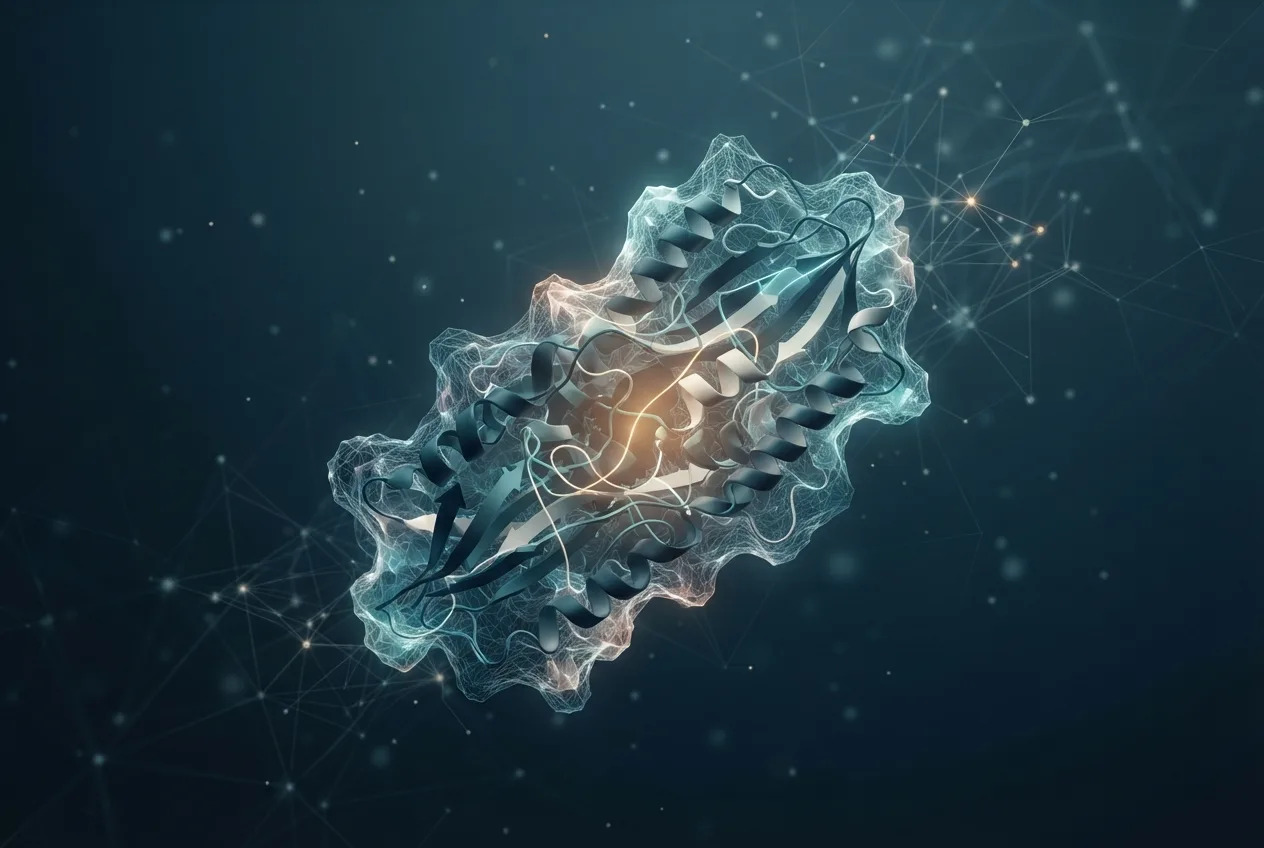
Genes are the fundamental units of heredity, the instructions that shape every living organism. But what exactly is a gene in modern biology? The definition has evolved from a simple concept of a trait carrier to a complex molecular entity. Understanding genes is essential for grasping how life works, from the color of your eyes to the behavior of cells in a cancer tumor. This article breaks down the scientific definition of a gene, explains its structure and function, and explores how this definition continues to shift with new discoveries.
The Core Definition: What Is a Gene?
At its most basic level, a gene is a segment of DNA that contains the information needed to produce a functional product, usually a protein or an RNA molecule. Think of it as a recipe. The DNA sequence of a gene is written in a four-letter code (A, T, C, and G). Cells read this code and use it to build proteins, which in turn carry out nearly all cellular tasks.
However, the definition is not that simple. Not all genes code for proteins. Many genes produce RNA molecules that regulate other genes or perform structural roles. For example, ribosomal RNA genes make the components of ribosomes, the protein factories of the cell. Transfer RNA genes help translate the genetic code into amino acids. So a more accurate definition is: a gene is a DNA sequence that is transcribed into RNA, and that RNA molecule may be translated into a protein or function directly.
Key features of a gene include:
- A promoter region where transcription begins.
- Coding sequences (exons) that contain the actual instructions.
- Non-coding sequences (introns) that are spliced out after transcription.
- Regulatory sequences that control when, where, and how much the gene is expressed.
The Structure of a Gene: From DNA to Function
To understand the definition, you need to see the parts. A gene is not a continuous stretch of DNA. In humans and other eukaryotes, genes are split into exons and introns. Exons are the parts that end up in the final messenger RNA (mRNA) and code for the protein. Introns are removed during RNA processing. This splicing allows a single gene to produce multiple protein variants, a process called alternative splicing.
Upstream of the coding region, there is a promoter. This is a special sequence where RNA polymerase, the enzyme that makes RNA, binds to start transcription. Further away, there are enhancers and silencers. These are DNA sequences that can be miles away from the gene itself but still control its activity. They bind proteins that bring the promoter closer or turn it off.
In bacteria, genes are simpler. They lack introns and are often organized into operons, where several genes are transcribed together as a single mRNA. This allows coordinated expression of related functions, such as all the enzymes needed to digest lactose.
How Genes Are Defined Today: An Evolving Concept
The classic definition of a gene as a stretch of DNA that encodes a single protein has been challenged by modern genomics. Large-scale projects like the Human Genome Project revealed that only about 2% of our DNA codes for proteins. The rest was once called "junk DNA," but we now know it is full of functional elements. Many non-coding DNA regions produce long non-coding RNAs (lncRNAs) or microRNAs that regulate gene expression. Some regions serve as origins of replication or structural scaffolds.
Furthermore, the same DNA sequence can give rise to multiple products. Through alternative splicing, a single gene can produce dozens of different proteins. For example, the Drosophila DSCAM gene can generate over 38,000 isoforms. Also, genes can overlap. A long non-coding RNA gene may be transcribed from the opposite strand of a protein-coding gene. These complexities make a single, universal definition difficult.
The current operational definition used by databases like GenBank is: a gene is a genomic sequence that is transcribed into a functional RNA molecule or that serves as a template for the production of a functional RNA. This encompasses both protein-coding and non-coding genes. It also includes pseudogenes, which are copies of genes that have lost their function but may still be transcribed.
Practical Implications: Why the Definition Matters
Understanding the definition of a gene is not just academic. It has real-world consequences in medicine, biotechnology, and agriculture.
- Gene therapy: A clear definition helps scientists know exactly which DNA sequence to deliver to correct a genetic disorder. For example, in sickle cell disease, the fix is a corrected version of the beta-globin gene.
- CRISPR editing: When researchers design guide RNAs, they target specific gene sequences. They need to know the boundaries of the gene to avoid unintended edits in regulatory regions.
- Genetic testing: Interpreting a patient's DNA sequence requires knowing which variants lie within a gene and whether they affect function. A variant in an intron might be benign, but one in a splice site can disrupt the gene.
- Synthetic biology: Engineers design artificial genes. They need to include promoters, coding sequences, and terminators. The precise definition guides the construction of genetic circuits.
| Aspect | Classic Definition | Modern Definition |
|---|---|---|
| Product | A single protein | One or more proteins or functional RNAs |
| Structure | Continuous coding sequence | Exons and introns, with regulatory elements |
| Number of products | One | Multiple through alternative splicing, overlapping genes |
| Non-coding | Not considered | Includes non-coding RNA genes |
| Boundaries | Clear start and stop | Flexible, includes regulatory regions |
Summary
A gene is a DNA sequence that is transcribed into RNA, which may then be translated into a protein or act directly. Its structure includes promoter, exons, introns, and regulatory sequences. The definition has expanded from a one gene one protein model to a dynamic, context-dependent unit. This evolution reflects our growing understanding of the complexity of genomes. Whether you are a student, a researcher, or a curious reader, knowing the true definition of a gene opens the door to understanding how life is coded and regulated.
Written by Zubair Khalid, DVM, MS, PhD, a molecular biologist and computational researcher sharing practical insights in bioinformatics and biotechnology.