Biotech Labs
By Dr. Zubair Khalid, DVM, MS, PhD ·
Key Takeaways
- Modern biotech labs are evolving into "smart" labs, integrating automation like robotic liquid handlers and cloud-connected environmental monitoring systems to enhance precision and prevent sample loss.
- Biosafety Levels (BSL) 1 through 4 classify labs based on the risk group of biological agents handled, dictating stringent containment requirements from standard practices at BSL-1 to full-body suits and negative air pressure at BSL-4 for extreme pathogens like Ebola.
- The talent pool in biotech labs is expanding beyond traditional biologists to include bioinformaticians for data analysis, automation engineers for equipment management, regulatory affairs specialists for compliance, and cell/gene therapy specialists for personalized medicine.
- The "lab in a box" concept represents a trend towards decentralization, offering modular, self-contained molecular biology labs for field research, pandemic response, and diagnostics in remote areas, capable of performing techniques like PCR and next-generation sequencing.
The landscape of biotechnology is shifting beneath our feet. Biotech labs, once the exclusive domain of academic institutions and pharmaceutical giants, are now the epicenters of a global revolution. From gene editing to synthetic biology, these facilities are not just places of discovery; they are the engines driving solutions to humanity’s most pressing challenges in health, agriculture, and climate. But what defines a modern biotech lab, and how are they evolving to meet the demands of a fast-paced, data-driven world?
The Rise of the "Smart" Biotech Lab
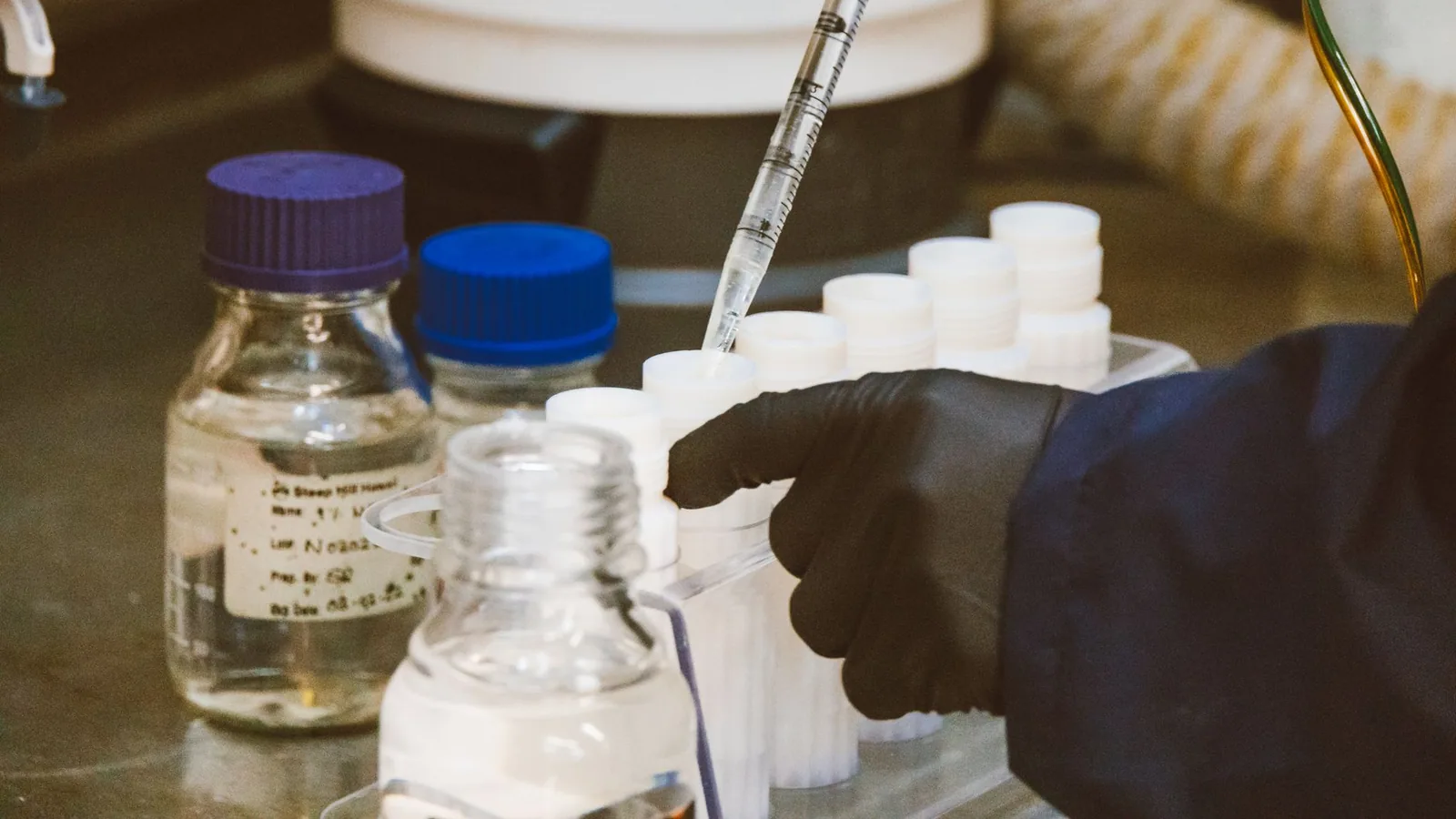
The traditional image of a biotech lab often involves researchers in white coats peering through microscopes. While that image still holds some truth, the reality is far more automated and interconnected. The modern biotech lab is a "smart" lab, leveraging the Internet of Things (IoT) and artificial intelligence to streamline operations.
Key features of this transformation include:
- Automated Liquid Handlers: These robotic systems perform repetitive pipetting tasks with high precision, freeing up scientists for more complex analytical work.
- Cloud-Connected Incubators and Freezers: Critical samples and reagents are monitored in real time. Alerts are sent directly to a researcher’s phone if temperatures fluctuate, preventing costly sample loss.
- Digital Lab Notebooks (ELNs): Paper notebooks are obsolete. ELNs allow for searchable, shareable, and secure documentation of experiments, ensuring data integrity and reproducibility.
- AI-Driven Data Analysis: High-throughput sequencing and imaging generate terabytes of data. Machine learning algorithms now analyze this data to identify patterns that would be invisible to the human eye, accelerating the pace of discovery.
This shift toward automation is not about replacing scientists. It is about empowering them to focus on hypothesis generation and creative problem solving, leaving the tedious, error-prone tasks to machines.
Handling the Heavy Hitters: Biosafety and Containment
Biotech labs deal with biological materials, from harmless E. coli to highly pathogenic viruses. Safety is non-negotiable. Labs are classified by Biosafety Levels (BSL) from 1 to 4, each with escalating containment requirements.
Understanding these levels is crucial for anyone entering the field:
| Biosafety Level | Risk Group | Examples of Work | Key Requirements |
|---|---|---|---|
| BSL-1 | Low risk | Non-pathogenic E. coli, yeast | Standard microbiological practices, open bench work. |
| BSL-2 | Moderate risk | Staphylococcus aureus, Hepatitis B | Restricted access, BSCs (Biological Safety Cabinets) for aerosol-generating procedures. |
| BSL-3 | High risk | Mycobacterium tuberculosis, SARS-CoV-2 | Controlled access, double-door entry, negative air pressure, all work in BSCs. |
| BSL-4 | Extreme risk | Ebola virus, Lassa virus | Highest containment. Full-body positive pressure suits, dedicated air handling, chemical showers for decontamination. |
For a biotech lab to be credible and compliant, it must adhere strictly to these classifications. A mistake in a BSL-2 lab can have serious consequences, but a breach in a BSL-4 facility can be catastrophic. Modern labs invest heavily in HEPA filtration, waste decontamination systems, and rigorous staff training to mitigate these risks.
The Talent Pipeline: What a Modern Biotech Lab Needs
A biotech lab is only as good as its people. The days of simply needing a PhD in molecular biology are over. The interdisciplinary nature of modern biotechnology demands a diverse skill set.
The most sought-after professionals in today’s biotech labs include:
- Bioinformaticians: They bridge the gap between biology and computer science. They write code to analyze genomic sequences, model protein structures, and manage complex datasets.
- Automation Engineers: These are mechanical and software engineers who design, build, and maintain the robotic systems and lab equipment. They ensure the lab runs like a well-oiled machine.
- Regulatory Affairs Specialists: They are the navigators of the complex regulatory landscape. They ensure that lab processes and products meet FDA, EMA, and other international standards.
- Cell and Gene Therapy Specialists: As personalized medicine grows, labs need experts skilled in viral vector production, CRISPR-Cas9 editing, and cell culture at scale.
Building a successful lab culture now means fostering collaboration between these disparate experts. The biologist must communicate with the data scientist, and the automation engineer must understand the biological constraints of the experiment.
The Future: Decentralization and the "Lab in a Box"
One of the most exciting trends is the move toward decentralized biotech labs. The "lab in a box" concept is gaining traction, where a fully functional molecular biology lab can be shipped as a modular container. This is a game-changer for field research, pandemic response, and bringing diagnostic capabilities to remote or underserved regions.
These modular labs are compact, self-contained, and often solar-powered. They allow researchers to conduct PCR, ELISA, and even next-generation sequencing in the field, without needing a massive central facility. This trend will likely accelerate, democratizing access to cutting-edge biotechnology and enabling rapid response to emerging health threats anywhere in the world.
The biotech lab of today is a complex, data-rich, and highly automated environment. It is a place where safety and speed must coexist, and where a diverse team of experts collaborates to turn scientific questions into tangible solutions. As technology continues to miniaturize and computational power increases, the future of these labs promises to be even more dynamic and impactful.
Written by Zubair Khalid, DVM, MS, PhD. Source: [original news feed and industry reports].