
Translation Definition Biology
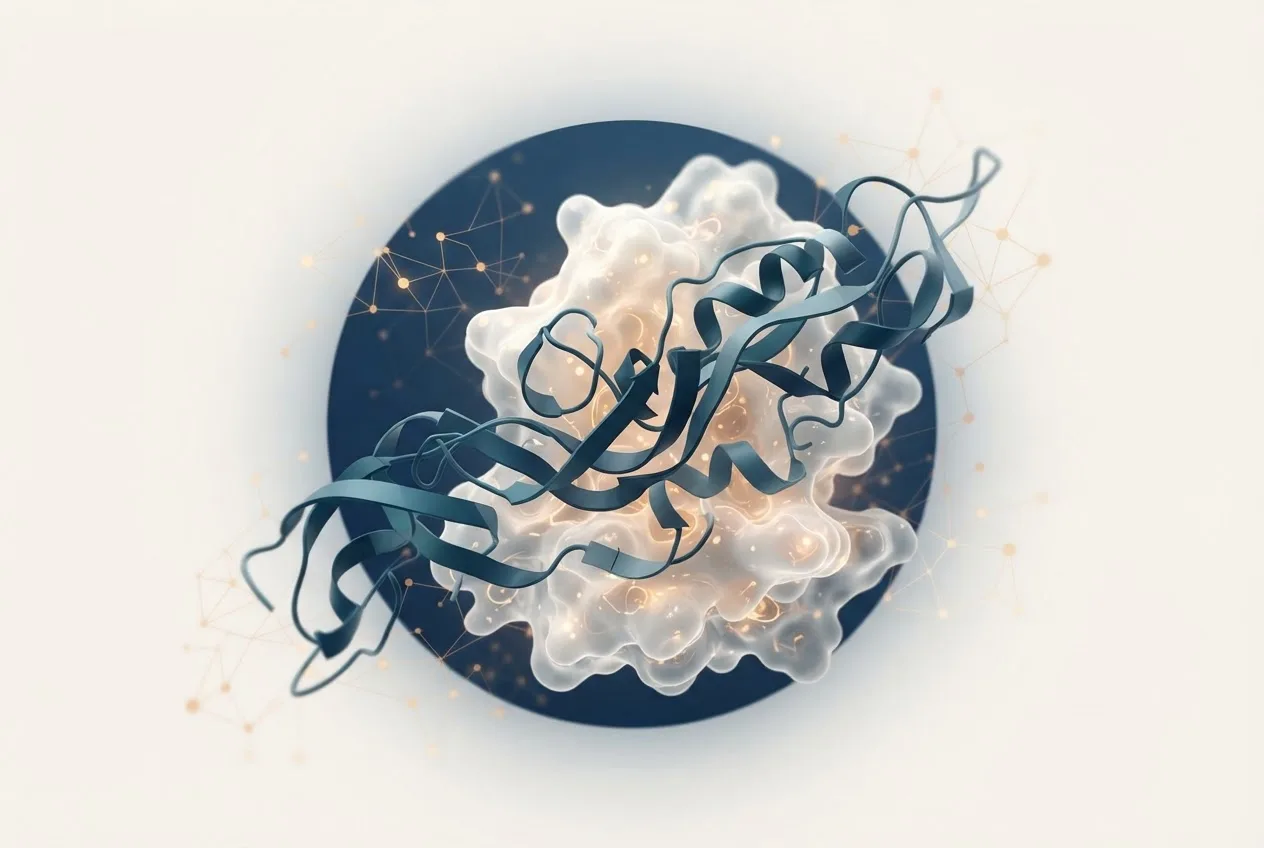
In the vast machinery of the living cell, few processes are as essential as translation. If DNA is the blueprint and RNA is the photocopy, then translation is the factory that builds the final product: proteins. For anyone exploring careers in molecular biology, bioinformatics, or biotechnology, understanding translation is not optional; it is foundational. This article breaks down the definition of translation in biology, explains how it works, and shows why mastering this concept is critical for your career in the life sciences.
What Is Translation in Biology? A Precise Definition
In molecular biology, translation is the process by which the genetic code carried by messenger RNA (mRNA) is decoded to produce a specific sequence of amino acids, which then folds into a functional protein. This occurs on ribosomes, the cellular machines that act as the workbenches of protein synthesis.
Think of it as a language conversion. The cell reads the nucleotide language of mRNA (consisting of A, U, G, and C) and translates it into the amino acid language of proteins (20 different building blocks). This is the final step in the central dogma of molecular biology: DNA is transcribed into RNA, which is then translated into protein. Without translation, the instructions in your genes would remain useless text, never becoming the enzymes, structural components, and signaling molecules that keep you alive.
The Three Key Players: mRNA, tRNA, and Ribosomes
To understand translation, you must know the three main components that make it happen. Each plays a distinct and irreplaceable role.
- Messenger RNA (mRNA): The template. It carries the genetic code copied from DNA. The sequence of nucleotides in mRNA is read in groups of three called codons. Each codon specifies one amino acid.
- Transfer RNA (tRNA): The interpreter. Each tRNA molecule has an anticodon that pairs with a specific mRNA codon, and it carries the corresponding amino acid at its other end. tRNAs physically deliver the correct building blocks to the ribosome.
- Ribosomes: The machine. Ribosomes are large complexes of ribosomal RNA (rRNA) and proteins. They provide the site where mRNA and tRNA interact, catalyzing the formation of peptide bonds between amino acids. Ribosomes have three binding sites for tRNA: the A site (aminoacyl), the P site (peptidyl), and the E site (exit).
These three components work together in a highly regulated sequence. For a career in drug discovery or genetic engineering, you will need to know how antibiotics or mutations can disrupt any one of these players to halt protein production.
The Four Steps of Translation: Initiation, Elongation, Termination, and Recycling
Translation is not a single event but a precise series of steps. In cellular biology, these are typically divided into four phases. Understanding each phase is valuable for anyone working in laboratory research or bioinformatics analysis of gene expression data.
- Initiation: The small ribosomal subunit binds to the mRNA molecule near the start codon (AUG). A special initiator tRNA carrying methionine binds to this start codon. Then, the large ribosomal subunit joins, forming a complete and functional ribosome. This step requires energy from GTP and several initiation factors.
- Elongation: This is the repetitive core of translation. A new tRNA carrying the next amino acid enters the A site of the ribosome. A peptide bond forms between the new amino acid and the growing chain. The ribosome then shifts (translocates) by one codon, moving the now empty tRNA to the E site where it exits, and the next codon moves into the A site. The polypeptide chain grows one amino acid at a time.
- Termination: When the ribosome reaches a stop codon (UAA, UAG, or UGA), no tRNA can recognize it. Instead, a release factor protein binds to the A site. This causes the ribosome to release the completed polypeptide chain and dissociate from the mRNA.
- Recycling: The ribosomal subunits, mRNA, and empty tRNAs are separated and reused for new rounds of translation. This step is critical for cellular efficiency.
The table below summarizes the major events at each step, which can help you visualize the process for exam preparation or lab work.
| Step | Key Event | Main Molecules Involved | | :-, | :-, | :-, | | Initiation | Ribosome assembly at start codon | mRNA, small/large ribosomal subunits, initiator tRNA, initiation factors, GTP | | Elongation | Amino acids added to growing chain | tRNA-amino acid complexes, elongation factors, GTP | | Termination | Stop codon recognized, chain released | Release factors, stop codon (UAA/UAG/UGA) | | Recycling | Components released and reused | Ribosome recycling factor, EF-G |
Why Translation Matters for Your Career in Molecular Biology
A deep understanding of translation is more than academic. It directly impacts several high-growth career paths in the life sciences.
- Pharmaceutical Research and Drug Development: Many antibiotics work by specifically targeting the bacterial ribosome to inhibit translation without harming human cells. Understanding translation is essential for designing new antimicrobial drugs.
- Genetic Engineering and Synthetic Biology: Scientists can modify translation machinery to incorporate non-standard amino acids into proteins, creating novel materials or therapeutics. This field relies entirely on manipulating the translation process.
- Bioinformatics and Computational Genomics: Analyzing transcriptomics data often requires understanding the relationship between mRNA levels and protein levels. Post-transcriptional regulation and translation efficiency are key topics in modern systems biology.
- Academic Research and Teaching: Whether you are studying neurodegenerative diseases caused by protein misfolding or teaching the central dogma, translation is a core concept in nearly every molecular biology laboratory.
For PhD-level researchers and early career scientists, fluency in translation biology separates a generalist from a specialist. It gives you the vocabulary to discuss mechanisms with colleagues, design better experiments, and interpret complex data from ribosome profiling or polysome analysis.
Final Thoughts
Translation is the bridge between genetic information and functional life. It is a complex, energy consuming, and highly regulated process that lies at the heart of all cellular function. For students and professionals building a career in molecular biology or biotechnology, investing time to understand the definition, the players, and the steps of translation will pay immense dividends. As you move forward in your studies or lab work, remember that every protein in your body owes its existence to this elegant molecular conversation between mRNA, tRNA, and the ribosome.
Written by Zubair Khalid, DVM, MS, PhD, a molecular biologist and computational researcher sharing practical insights in bioinformatics and biotechnology.