
Translation Biology Definition
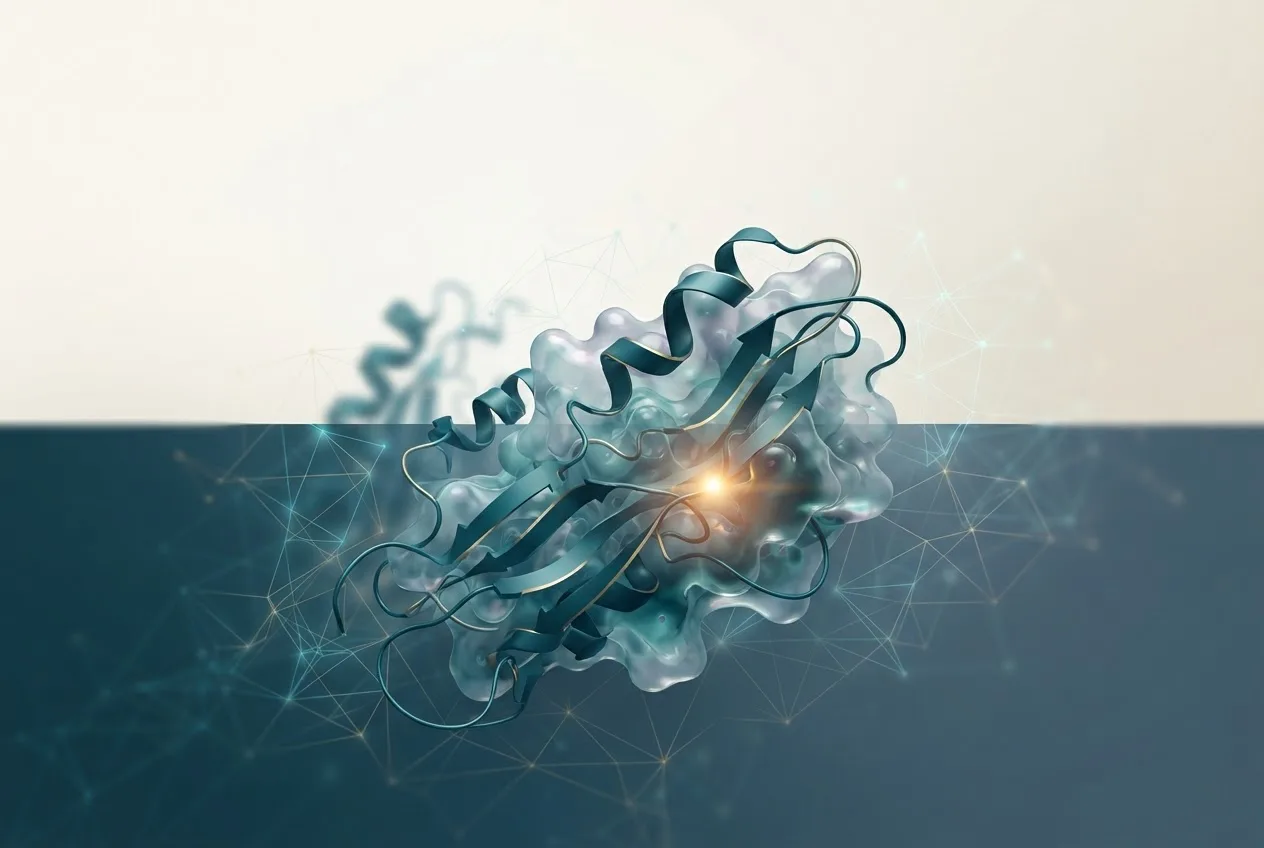
If you have ever wondered how your cells turn genetic information into functional proteins, you are asking about translation. In molecular biology, translation is the process where the genetic code carried by messenger RNA (mRNA) is decoded to build a chain of amino acids, which then folds into a protein. This is the final step in the central dogma of molecular biology: DNA makes RNA through transcription, and RNA makes protein through translation.
Understanding translation is not just for lab researchers. It is a cornerstone concept for careers in biotechnology, pharmaceuticals, genetic engineering, and clinical diagnostics. Whether you are a student planning a career in life sciences or a professional pivoting into bioinformatics, mastering the definition and mechanics of translation opens doors to specialized roles in drug discovery, synthetic biology, and personalized medicine.
The Three Main Phases of Translation
Translation is a highly regulated, multi step process. It is broken into three distinct phases: initiation, elongation, and termination. Each phase requires specific molecular machines and energy input.
Initiation: Setting the Stage
Initiation begins when a small ribosomal subunit binds to the mRNA molecule. This happens near a specific start codon, usually AUG, which codes for the amino acid methionine. A special initiator transfer RNA (tRNA) carrying methionine pairs with the start codon. Then the large ribosomal subunit joins, forming a complete ribosome. This step is tightly controlled. In eukaryotic cells, initiation factors help the ribosome find the correct start site. Mistakes here can lead to truncated or nonfunctional proteins.
Elongation: Building the Chain
Once the ribosome is assembled, elongation takes over. The ribosome moves along the mRNA, reading each three base codon. For each codon, a matching tRNA brings the correct amino acid. Peptide bonds form between adjacent amino acids, creating a growing polypeptide chain. The ribosome shifts one codon at a time. This cycle repeats rapidly. In a bacterial cell, a ribosome can add about 15 to 20 amino acids per second. Accuracy is critical. A single misread codon can change the entire protein structure and function.
Termination: Finishing the Protein
Elongation continues until the ribosome encounters a stop codon: UAA, UAG, or UGA. There is no tRNA that matches these codons. Instead, release factors bind to the ribosome. They trigger the release of the completed polypeptide chain. The ribosomal subunits then separate and are recycled for another round of translation. The newly made protein may need additional folding or chemical modifications before it becomes active.
Why Translation Matters for Your Career
If you work in or aim to enter the life sciences, you will encounter translation in multiple contexts. It is not just a textbook concept. It is a practical tool for innovation.
- Drug Development: Many antibiotics target bacterial ribosomes to block translation. Understanding these mechanisms helps researchers design new antimicrobials.
- Gene Therapy: Modifying translation efficiency can increase or decrease protein production in diseased cells.
- Biomanufacturing: Companies produce therapeutic proteins, such as insulin or monoclonal antibodies, by engineering cells to translate specific mRNAs at high yields.
- Cancer Research: Many cancers have altered translation machinery. Targeting these pathways is an active area of drug discovery.
- Bioinformatics: Analyzing ribosome profiling data or predicting translation efficiency from mRNA sequences requires deep knowledge of the process.
A strong grasp of translation biology sets you apart in competitive fields like pharmaceutical R&D, academic research, and biotech startups.
Key Differences: Prokaryotic vs. Eukaryotic Translation
One common interview question or exam topic is how translation differs between bacteria and humans. Here is a quick comparison for professionals and students.
| Feature | Prokaryotes | Eukaryotes | | :-, | :-, | :-, | | Ribosome size | 70S (50S + 30S) | 80S (60S + 40S) | | Initiation site | Shine-Dalgarno sequence on mRNA | 5' cap and scanning mechanism | | Start codon | AUG (formylmethionine) | AUG (methionine) | | Transcription location | Cytoplasm (no nucleus) | Nucleus (mRNA exported to cytoplasm) | | Speed | Faster (15-20 aa/sec) | Slower (2-4 aa/sec) | | Regulation | Simple, often coupled with transcription | Complex, multiple checkpoints |
These differences matter when you design experiments or develop drugs. An antibiotic that blocks bacterial ribosomes should ideally leave human ribosomes untouched. That specificity comes from structural differences between the two systems.
Practical Tips for Learning Translation Deeply
If you want to build a career around translation biology, do not stop at memorizing the steps. Apply your knowledge in hands on ways.
- Use online tools: Explore the Protein Data Bank to visualize ribosome structures. Interactive 3D models reinforce spatial understanding.
- Practice with data: Download ribosome profiling datasets from public repositories. Analyze how translation changes under different conditions.
- Read primary literature: Follow journals like Molecular Cell or Nature Reviews Molecular Cell Biology for the latest on translation regulation.
- Take a course: Look for specialized modules in molecular biology or bioinformatics that cover translation in depth.
- Connect with mentors: Reach out to researchers studying translation. Many are happy to discuss their work with motivated learners.
Translation biology is not a static topic. New discoveries about noncanonical translation, ribosome quality control, and mRNA modifications are reshaping the field. Staying current gives you a competitive edge.
Final Thoughts
Translation is the bridge between genetic information and functional proteins. It is a process that powers every living cell. For anyone pursuing a career in molecular biology, biotechnology, or computational biology, understanding translation is not optional. It is essential. The more you know about how proteins are made, the better equipped you are to engineer them, target them, or analyze them.
Master this definition, and you will see how it connects to everything from antibiotic resistance to cutting edge gene therapies. That is the kind of integrated knowledge that drives real career growth.
Written by Zubair Khalid, DVM, MS, PhD, a molecular biologist and computational researcher sharing practical insights in bioinformatics and biotechnology.