
transcription meaning biology
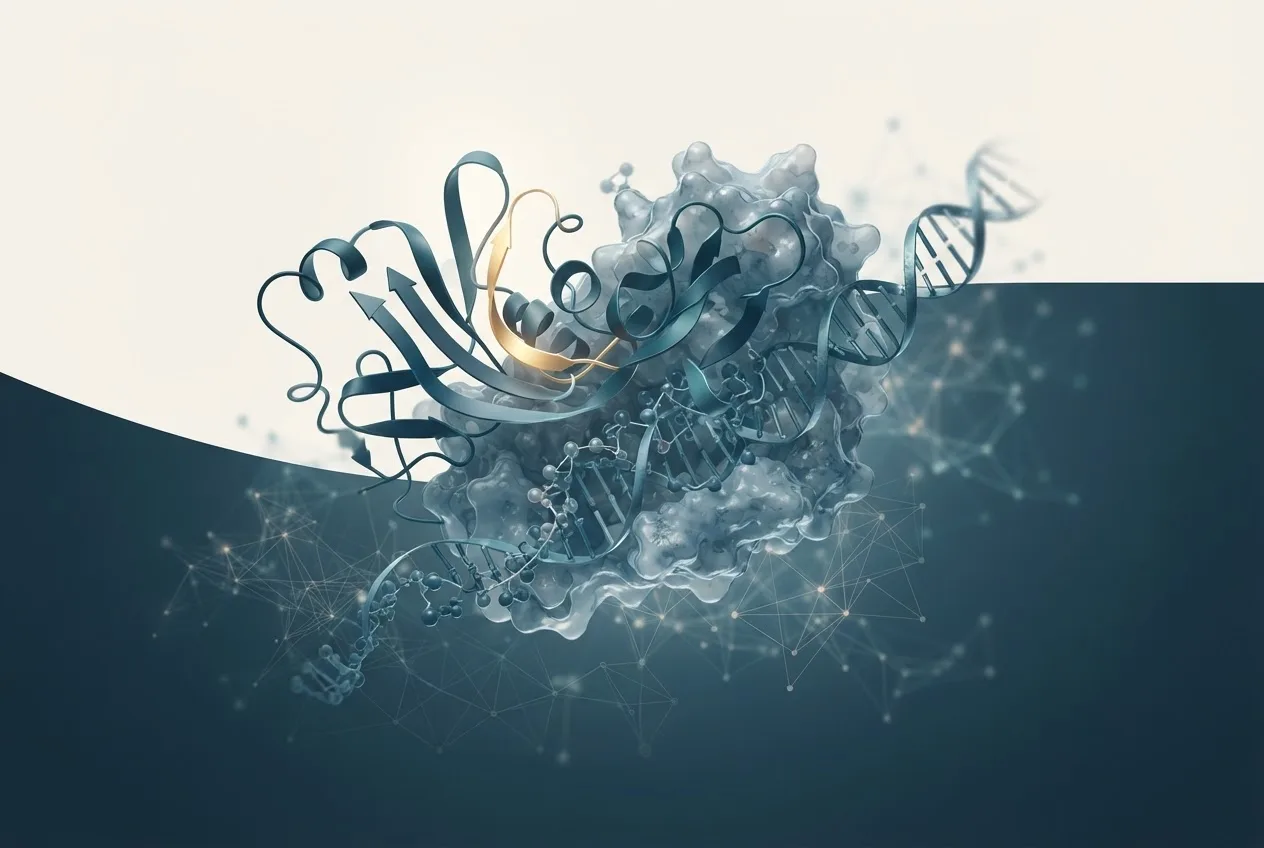
In the world of molecular biology, the central dogma describes the flow of genetic information: DNA makes RNA, and RNA makes protein. At the heart of this process lies transcription, the first and arguably most regulated step. Without transcription, the instructions stored in your DNA would never leave the nucleus, and no protein would ever be made. Understanding transcription meaning in biology is essential for anyone studying genetics, biotechnology, or medicine. This guide breaks down the process, the molecules involved, and why transcription matters in health and disease.
What Is Transcription? The Basic Process
Transcription is the synthesis of an RNA molecule using a DNA template. During this process, a specific segment of DNA is copied into a complementary RNA strand. Unlike DNA replication, which copies the entire genome, transcription only copies selected genes. The resulting RNA messenger RNA (mRNA) carries the genetic code from the nucleus to the ribosome for translation.
The process unfolds in three main stages:
Initiation: The enzyme RNA polymerase binds to a specific region on the DNA called the promoter. This binding requires the help of transcription factors that recognize the promoter sequence and recruit the polymerase. The DNA then unwinds locally, forming a transcription bubble.
Elongation: RNA polymerase moves along the DNA template strand in the 3' to 5' direction, adding complementary RNA nucleotides (A, U, G, C) in the 5' to 3' direction. As the polymerase advances, the DNA temporarily re-anneals behind it.
Termination: When RNA polymerase reaches a stop signal (a terminator sequence), the newly made RNA transcript is released, and the polymerase detaches from the DNA. In eukaryotes, termination also involves cleavage of the RNA and addition of a poly-A tail.
Key Players: RNA Polymerase, Promoters, and Transcription Factors
Several molecular components work together to ensure accurate and regulated transcription.
- RNA Polymerase: This is the enzyme that catalyzes RNA synthesis. Bacteria have one type, while eukaryotes have three: RNA polymerase I (rRNA), II (mRNA), and III (tRNA and other small RNAs).
- Promoters: These are specific DNA sequences located upstream of the gene. They act as a binding site for RNA polymerase and transcription factors. The classic eukaryotic promoter includes a TATA box.
- Transcription Factors: These proteins (not including RNA polymerase) are essential for initiating transcription. They bind to promoters or other regulatory sequences and either recruit or block RNA polymerase.
- Enhancers and Silencers: Regulatory DNA elements that can be far from the gene. They bind specific proteins to increase (enhancers) or decrease (silencers) transcription rates.
- Terminator Sequences: In bacteria, these form hairpin structures in the RNA. In eukaryotes, termination signals include a polyadenylation signal (AAUAAA).
Transcription vs. Translation: A Clear Distinction
Many students confuse transcription with translation. While both are part of gene expression, they occur in different cellular compartments and involve different molecules. The table below summarizes the key differences.
| Feature | Transcription | Translation |
|---|---|---|
| Template | DNA (template strand) | mRNA |
| Product | RNA (mRNA, tRNA, rRNA, etc.) | Polypeptide (protein chain) |
| Location (eukaryotes) | Nucleus | Cytoplasm (on ribosomes) |
| Key enzyme | RNA polymerase | Ribosome (rRNA + proteins) |
| Output molecule | Single-stranded RNA | Linear sequence of amino acids |
| Regulation | Extensive (promoters, enhancers, etc.) | Also regulated (initiation factors, etc.) |
Transcription generates the RNA blueprint, while translation reads that blueprint to build a protein. Both steps offer opportunities for cells to control gene expression.
Why Transcription Matters in Biology and Medicine
Transcription is not just a textbook process; it is the primary point at which cells decide which genes to turn on or off. This regulation is crucial for development, cell specialization, and responses to environmental changes.
- Gene Expression Control: Errors in transcription initiation or termination can lead to diseases. For example, mutations in promoter regions can cause overexpression of oncogenes, contributing to cancer.
- Drug Targets: Many antibiotics (e.g., rifampicin) work by blocking bacterial RNA polymerase. Understanding transcription mechanisms helps design new antimicrobials.
- RNA-Based Therapies: The rise of mRNA vaccines (like those for COVID-19) relies on artificial transcription in the lab to produce therapeutic RNA molecules.
- Epigenetic Regulation: Chemical modifications to DNA or histones can silence or activate transcription without changing the DNA sequence. This is vital in fields like developmental biology and cancer epigenetics.
From diagnostics to therapeutics, a solid grasp of transcription meaning in biology empowers researchers and clinicians to manipulate gene expression for better health outcomes.
--
Transcription is the bridge between the static genome and the dynamic proteome. It is a beautifully orchestrated process involving multiple players and layers of control. Whether you are studying for a biology exam or exploring careers in biotechnology, mastering transcription will unlock a deeper understanding of how life works at the molecular level.
Written by Zubair Khalid, DVM, MS, PhD, a molecular biologist and computational researcher sharing practical insights in bioinformatics and biotechnology.