
Transcription Biology Def
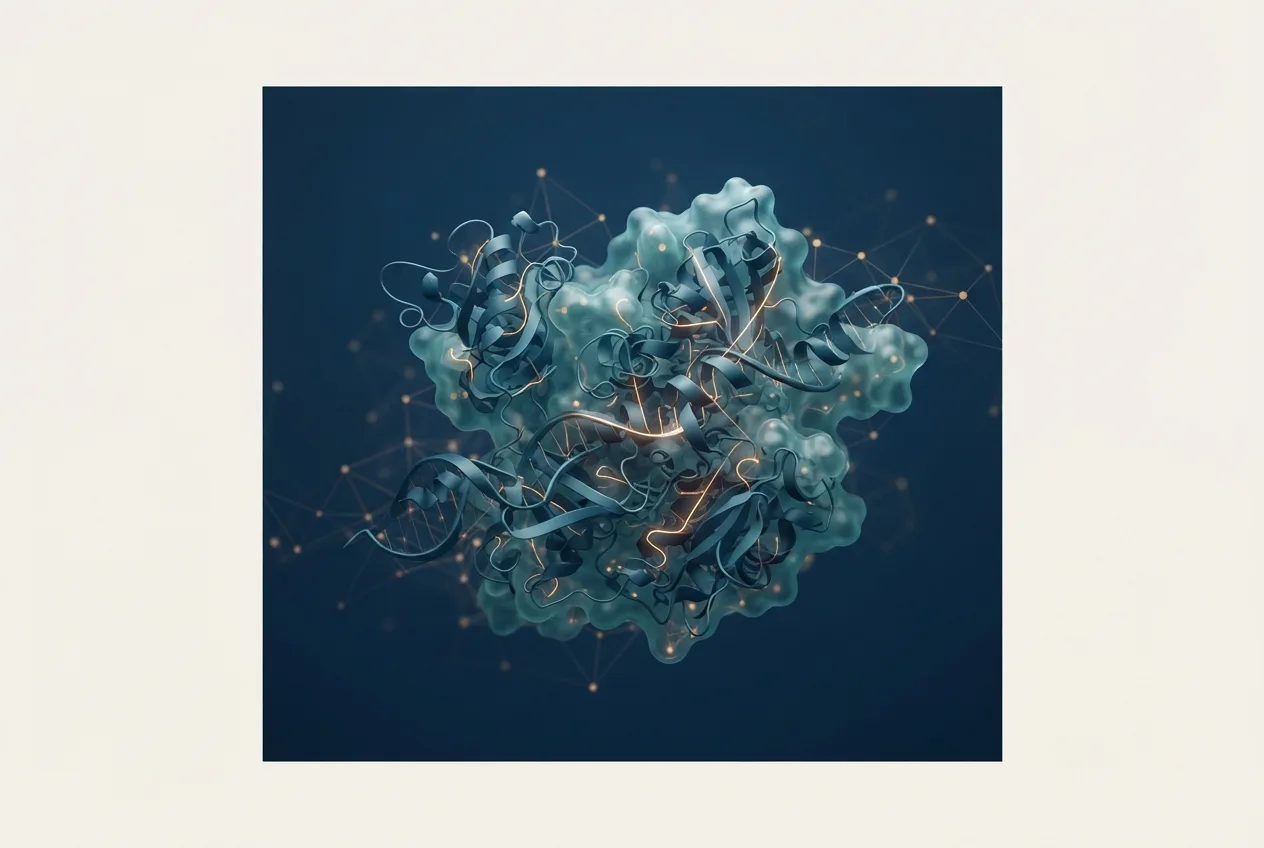
When you hear "transcription biology def," you are asking for one of the most fundamental processes in molecular biology. Transcription is the first step in gene expression, where a segment of DNA is copied into RNA. This process is the bridge between the genetic blueprint stored in DNA and the functional molecules that carry out life's work. Without transcription, no protein would ever be made, and no gene would ever be expressed.
In this guide, we will define transcription in biology, break down its key steps, highlight differences between prokaryotes and eukaryotes, and provide practical tips for mastering this essential concept.
What Is Transcription in Biology? A Clear Definition
Transcription is the enzymatic synthesis of RNA using a DNA template. The main enzyme responsible is RNA polymerase, which reads the DNA strand and assembles a complementary RNA molecule. This RNA copy, often messenger RNA (mRNA), then carries the genetic information to the ribosome for translation into protein.
The definition can be summarized simply: transcription converts the information stored in DNA into a portable RNA form. It occurs in the nucleus of eukaryotic cells and in the cytoplasm of prokaryotic cells. The process is highly regulated because cells need to control when and how much of each gene is expressed.
The Three Stages of Transcription
Transcription proceeds through three well defined stages: initiation, elongation, and termination. Understanding each stage is critical for anyone studying molecular biology.
Initiation
RNA polymerase binds to a specific DNA sequence called the promoter. In eukaryotes, this requires the help of transcription factors, which recognize the promoter and recruit the polymerase. The DNA unwinds at the promoter, forming a transcription bubble. The polymerase then begins to synthesize a short RNA primer.
- Key players: RNA polymerase, promoter, transcription factors (e.g., TFIIA, TFIIB, TFIID in eukaryotes)
- Regulation: Enhancers and silencers can influence how often initiation occurs
Elongation
Once initiation is complete, RNA polymerase moves along the DNA template strand, adding RNA nucleotides one by one. The new RNA strand grows in the 5' to 3' direction. The DNA ahead of the polymerase unwinds, and behind it rewinds. Proofreading mechanisms ensure accuracy.
- Speed: In bacteria, elongation proceeds at about 40–50 nucleotides per second
- Fidelity: RNA polymerase has a lower proofreading ability than DNA polymerase, but errors are less consequential because RNA is temporary
Termination
Termination signals tell RNA polymerase to stop. In prokaryotes, this often involves a hairpin structure in the RNA or the Rho protein factor. In eukaryotes, termination is more complex and involves cleavage of the pre mRNA followed by polyadenylation.
- Outcome: The RNA transcript is released and undergoes further processing (capping, splicing, polyadenylation) in eukaryotes
Prokaryotic vs Eukaryotic Transcription: Key Differences
Because prokaryotes lack a nucleus and have a simpler genome, their transcription machinery differs significantly from that of eukaryotes. This table summarizes the main contrasts.
| Feature | Prokaryotes | Eukaryotes |
|---|---|---|
| Location | Cytoplasm (no nucleus) | Nucleus |
| RNA polymerase | Single type (core + sigma factor) | Three types: RNA Pol I, II, III |
| Promoter recognition | Direct binding of sigma factor | Requires many transcription factors |
| Processing | No intron splicing | Intron splicing, capping, polyadenylation |
| Coupling | Transcription and translation occur simultaneously | Transcription and translation are separated |
| Termination | Rho dependent or independent (hairpin) | PolyA signal and cleavage factors |
These differences have practical implications. Antibiotics that target bacterial RNA polymerase, such as rifampicin, have no effect on eukaryotic RNA polymerase, which explains their selective toxicity.
Practical Tips for Understanding Transcription
If you are studying transcription for a course, exam, or research, keep these actionable points in mind.
- Visualize the process. Draw the transcription bubble and label the template and coding strands. Physical diagrams reinforce the directionality of RNA synthesis.
- Memorize the central dogma. Transcription is the "T" in DNA -> RNA -> Protein. Always connect it to translation later.
- Focus on regulation. Gene expression is controlled largely at the level of transcription initiation. Learn key regulatory elements such as promoters, enhancers, and silencers.
- Distinguish between RNA types. mRNA, tRNA, rRNA, and noncoding RNAs are all products of transcription. RNA polymerase I makes rRNA, polymerase II makes mRNA, and polymerase III makes tRNA.
- Use online resources. Animated videos from sources like the Cold Spring Harbor Laboratory or the NCBI Bookshelf can make the process tangible.
Transcription biology def is not just a definition to memorize. It is a dynamic, tightly controlled process that forms the foundation of gene expression. Whether you are a student, a researcher, or a curious learner, mastering transcription opens the door to understanding everything from cancer biology to synthetic biology.
Written by Zubair Khalid, DVM, MS, PhD, a molecular biologist and computational researcher sharing practical insights in bioinformatics and biotechnology.