
mutation biology definition
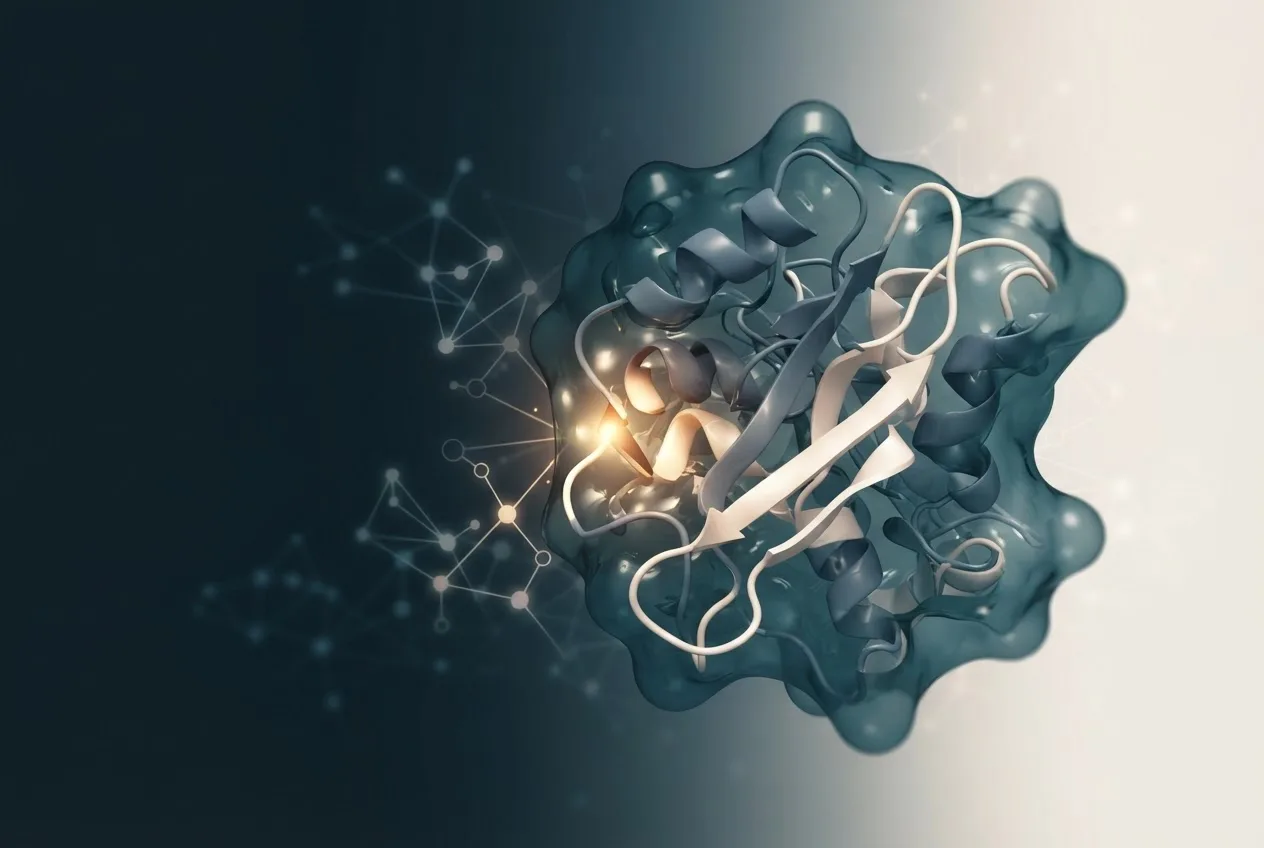
A mutation is a permanent change in the sequence of DNA within an organism’s genome. These alterations can be as small as a single nucleotide swap or as large as the rearrangement of entire chromosomes. Mutations are the raw material of evolution, the drivers of genetic diversity, and the underlying cause of many diseases including cancer. Understanding what mutations are at the molecular level is essential for anyone studying biology, genetics, or medicine.
In this guide, we will break down the precise definition of mutation in biology, explore the main types, discuss how they arise, and explain why they matter for life on Earth.
What is a Mutation? A Precise Definition
In molecular biology, a mutation is any heritable change in the nucleotide sequence of an organism’s DNA. This definition has two key parts.
First, it must be a change in the sequence of bases (adenine, guanine, cytosine, or thymine). Simply reading or copying DNA incorrectly without a permanent alteration does not count as a mutation.
Second, the change must be heritable, meaning it can be passed on to daughter cells during cell division or to offspring through reproduction. Mutations that occur in non-reproductive (somatic) cells are not inherited by the next generation, but they can still cause problems like cancer within the individual.
Mutations are classified by their scale:
- Point mutations affect a single nucleotide base pair.
- Insertions and deletions (indels) add or remove one or more bases.
- Chromosomal mutations rearrange large segments of DNA, such as duplications, deletions, inversions, or translocations.
The location of a mutation matters too. Mutations in coding regions (exons) can alter proteins, while those in noncoding regions may affect gene regulation.
Types of Mutations and Their Biological Effects
Not all mutations are equal. Their impact on an organism depends on how they change the genetic code and the resulting protein function. Here are the major types:
| Mutation Type | Description | Effect on Protein |
|---|---|---|
| Silent | Base change that codes for the same amino acid | No effect (redundant genetic code) |
| Missense | Base change that codes for a different amino acid | Altered protein function (may be beneficial, neutral, or harmful) |
| Nonsense | Base change that creates a premature stop codon | Truncated, usually nonfunctional protein |
| Frameshift | Insertion or deletion of bases not in multiples of three | Shifts the reading frame; often produces a completely nonfunctional protein |
Mutations can also be classified by their phenotypic effect:
- Beneficial mutations improve an organism’s fitness. For example, a mutation in the hemoglobin gene can confer resistance to malaria (sickle cell trait).
- Neutral mutations have no obvious effect on survival or reproduction. Most mutations fall into this category.
- Harmful (deleterious) mutations reduce fitness. These cause genetic disorders like cystic fibrosis or increase cancer risk.
Germline mutations occur in sperm or egg cells and are passed to offspring. Somatic mutations occur in other body cells and are not inherited, but they accumulate with age and contribute to diseases such as cancer.
Causes of Mutations: Endogenous and Exogenous Factors
Mutations arise from two broad sources: errors inside the cell and environmental insults from outside.
Endogenous (internal) causes:
- DNA replication errors: during cell division, DNA polymerase sometimes inserts the wrong base. Repair systems catch most mistakes, but some slip through.
- Spontaneous chemical changes: bases can lose an amine group (deamination) or lose a base entirely (depurination), leading to mismatches.
- Reactive oxygen species: normal metabolism produces free radicals that damage DNA.
Exogenous (external) causes:
- Physical mutagens: ionizing radiation (X-rays, gamma rays) breaks DNA strands; ultraviolet (UV) light causes thymine dimers.
- Chemical mutagens: such as benzo[a]pyrene in tobacco smoke, aflatoxin from mold, and many industrial chemicals.
- Biological mutagens: some viruses integrate their DNA into the host genome, causing insertional mutations (e.g., human papillomavirus in cervical cancer).
Cells have robust DNA repair pathways to fix most damage. However, when repair fails or is overwhelmed, the damage becomes a permanent mutation.
Why Mutations Matter in Evolution and Disease
Mutations are the ultimate source of all genetic variation. Without mutations, evolution would stop. New alleles arise through mutation, and natural selection acts on that variation to drive adaptation. For example:
- Antibiotic resistance in bacteria is caused by mutations that alter drug targets or create efflux pumps.
- The lactase persistence mutation in humans allows adults to digest milk, an adaptation that spread with dairy farming.
On the other hand, mutations are also responsible for thousands of inherited diseases. Cystic fibrosis, Huntington’s disease, and most cancers are driven by specific mutations. In cancer, a series of somatic mutations in oncogenes and tumor suppressor genes leads to uncontrolled cell growth.
Understanding mutation biology is critical for modern medicine. Genetic testing identifies disease-causing mutations. CRISPR and other gene-editing technologies aim to correct harmful mutations at their source. And evolutionary biologists use mutation rates to track viral outbreaks like SARS-CoV-2.
In summary, a mutation is far more than a “spelling error” in DNA. It is a central concept in biology that explains both the diversity of life and the mechanisms of disease. Whether you study genetics, work in biotechnology, or simply follow health news, knowing the definition and implications of mutations will deepen your appreciation for life’s most fundamental process: change.
Written by Zubair Khalid, DVM, MS, PhD, a molecular biologist and computational researcher sharing practical insights in bioinformatics and biotechnology.