Microbiology vs Molecular Biology
By Dr. Zubair Khalid, DVM, MS, PhD ·
Key Takeaways
- Microbiology focuses on whole microorganisms (bacteria, fungi, viruses, protozoa) and their physiology, ecology, and interactions, utilizing techniques like culturing, microscopy, and biochemical assays.
- Molecular biology investigates the molecular mechanisms of life, including DNA replication, gene expression, and protein function, employing methods such as PCR, sequencing, cloning, and gene editing.
- Career paths in microbiology are prevalent in clinical diagnostics, food safety, environmental monitoring, and public health, with growing opportunities in microbiome research and antimicrobial resistance (AMR) surveillance.
- Molecular biology careers are concentrated in biotechnology R&D, gene therapy, synthetic biology, diagnostics, and bioinformatics, driven by advancements in gene editing and precision medicine.
- The fields are converging, with metagenomics and host-pathogen interaction studies increasingly requiring expertise in both organismal and molecular approaches, making interdisciplinary skills highly valuable.
- Building a competitive profile involves mastering core techniques (e.g., aseptic technique for micro, PCR for molecular), acquiring computational skills (Python, R), seeking internships, and staying abreast of literature in journals like Applied and Environmental Microbiology or Molecular Cell.
Choosing between microbiology and molecular biology can feel like standing at a crossroads in a dense scientific forest. Both fields explore the living world, but they do so from different vantage points. Microbiology looks at entire organisms bacteria, fungi, viruses, and protozoa while molecular biology zooms in on the molecular machinery inside cells. Understanding these differences is critical for students and early career professionals who want to align their skills with the right opportunities. This article breaks down the core distinctions, practical career advice, and current industry trends to help you decide which path fits your goals.
Defining the Core Differences
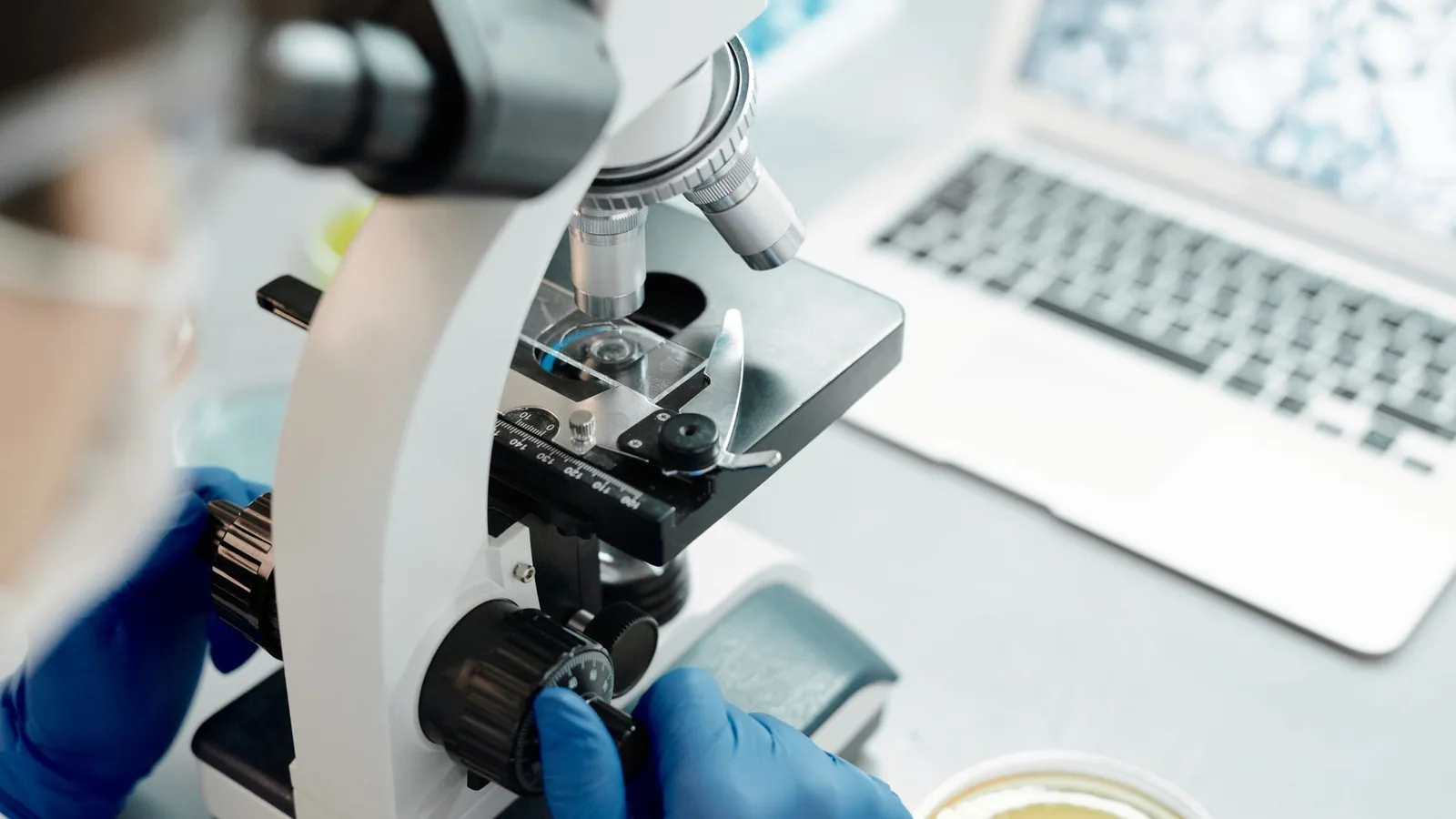
Microbiology is the study of microorganisms as whole entities. Microbiologists ask questions about how microbes grow, interact with hosts, form communities, and survive in extreme environments. They work with cultures, microscopes, and biochemical assays to understand microbial physiology and ecology. The scale is organismal even though the organisms are tiny.
Molecular biology, by contrast, focuses on the molecular components of life. It examines DNA replication, transcription, translation, gene regulation, and protein function. Molecular biologists use techniques like PCR, gel electrophoresis, cloning, sequencing, and CRISPR editing. The scale is molecular and often requires understanding how single base pair changes affect cellular behavior.
Here is a quick comparison to clarify the differences:
| Aspect | Microbiology | Molecular Biology |
|---|---|---|
| Primary focus | Whole microorganisms and their interactions | Molecular mechanisms of genetic and biochemical processes |
| Typical scale | Cellular to population | Molecular to subcellular |
| Core techniques | Culture, microscopy, staining, biochemical tests | PCR, sequencing, cloning, blotting, gene editing |
| Common career paths | Clinical microbiology, food safety, environmental monitoring | Research and development, biotech, diagnostics, bioinformatics |
| Industry demand | Steady in healthcare, pharma, and public health | High growth in gene therapy, synthetic biology, and precision medicine |
Both fields overlap heavily in practice. A microbiologist may use molecular tools to identify a pathogen, and a molecular biologist may study microbial gene regulation. But the philosophical lens and daily workflow differ.
Practical Tips for Choosing Your Career Path
If you are deciding between these two disciplines, consider these factors:
- Interest in scale: Do you enjoy seeing colonies on a plate and identifying organisms under a microscope? Microbiology may be your fit. Do you prefer pipetting tiny volumes, running gels, and analyzing sequence data? Molecular biology might be more engaging.
- Lab environment: Microbiology labs often require aseptic technique and work with live cultures. Molecular biology labs emphasize precision, contamination control, and instrument handling. Both demand rigor but the daily rhythm is distinct.
- Career settings: Microbiologists are common in clinical labs, water testing facilities, and food quality assurance. Molecular biologists are concentrated in biotech startups, pharmaceutical R&D, academic research, and bioinformatics roles.
- Further education: A bachelor's degree can open entry level roles in both fields. However, advanced positions in molecular biology especially in gene editing or therapeutics often require a master's or PhD. Microbiology offers strong career growth with a master's in clinical or industrial settings.
- Interdisciplinary potential: Both fields now blend with computational science. If you enjoy data analysis, consider adding bioinformatics skills to either path. This combination is increasingly valued across all life science sectors.
Industry Trends and Job Market Insights
The job market for both fields is robust but evolving. Here are key trends to watch:
Microbiology trends:
- The microbiome revolution has expanded opportunities in human health, agriculture, and environmental science. Companies are developing probiotics, fecal transplants, and microbial fertilizers.
- Antimicrobial resistance (AMR) is a global crisis. Microbiologists are needed for surveillance, novel drug discovery, and stewardship programs.
- Food safety and water quality testing remain stable career anchors, especially with stricter global regulations.
Molecular biology trends:
- Gene therapy and cell therapy are booming. Molecular biologists are essential for designing vectors, editing genomes, and validating therapeutic constructs.
- CRISPR based diagnostics are emerging as rapid, portable tools for infectious disease detection.
- Synthetic biology is creating new organisms for biofuel, biomaterials, and drug production. This field requires deep molecular biology expertise.
Convergence of fields: The line between microbiology and molecular biology is blurring. Metagenomics uses molecular tools to study microbial communities without culturing. Host pathogen interaction research combines both perspectives. Employers increasingly value candidates who can work across scales. A microbiologist who can run a qPCR assay or a molecular biologist who understands microbial physiology is highly competitive.
How to Build a Competitive Profile
Regardless of which field you choose, you can strengthen your career prospects with targeted actions:
- Master core techniques early. For microbiology, learn aseptic technique, Gram staining, and biochemical identification. For molecular biology, gain proficiency in PCR, gel electrophoresis, and DNA extraction. Hands on experience is non negotiable.
- Add computational skills. Basic programming in Python or R, familiarity with sequence analysis tools, and data visualization will set you apart. Many labs now generate large datasets that require computational handling.
- Seek internships or co-ops. Real world experience in a clinical micro lab or a molecular biology R&D group is the best way to confirm your interest and build a network.
- Stay current with literature. Follow journals like Applied and Environmental Microbiology, Molecular Cell, or Nature Biotechnology. Understanding emerging technologies positions you for future roles.
- Consider certifications. For clinical microbiology, the American Society for Clinical Pathology (ASCP) certification is valuable. For molecular biology, certifications in bioinformatics or laboratory management can add credibility.
Both microbiology and molecular biology offer rewarding careers that contribute to human health, environmental sustainability, and scientific discovery. The best choice depends on where your curiosity leads you. Do you want to understand how entire microbial communities function? Or do you want to decode the molecular switches that control life? Either path will challenge you, teach you, and open doors in a dynamic job market.
Written by Zubair Khalid, DVM, MS, PhD, a molecular biologist and computational researcher sharing practical insights in bioinformatics and biotechnology.