What a Human Biology Major Covers and Where It Leads
By Dr. Zubair Khalid, DVM, MS, PhD ·
Key Takeaways
- A Human Biology major offers an interdisciplinary foundation in human anatomy, physiology, genetics, biochemistry, immunology, and epidemiology, focusing exclusively on human systems rather than broader biological scopes.
- Graduates are well-prepared for advanced studies in medicine, dentistry, and physician assistant programs, as well as for careers in research requiring postgraduate degrees (Master's or PhD) in areas like molecular biology or bioinformatics.
- The curriculum emphasizes hands-on laboratory proficiency, including techniques such as PCR, microscopy, cell culture, ELISA, DNA extraction, and histology, crucial for roles in biotechnology and scientific research.
- Essential transferable skills developed include critical thinking, quantitative analysis (e.g., biostatistics), scientific communication, and teamwork, directly applicable to fields like public health policy and science journalism.
- Career trajectories extend to public health roles such as epidemiologists and health educators, often requiring a Master of Public Health (MPH) degree, and educational positions necessitating teaching certification.
- Success is enhanced by early engagement in undergraduate research, a strong grasp of prerequisite chemistry and mathematics, professional networking, and complementary minors in fields like public health or data science.
If you have ever wondered how the human body works at the molecular, cellular, and systemic levels, a human biology major might be your perfect fit. This interdisciplinary field sits at the intersection of biology, chemistry, physiology, and genetics. It is designed for students who want to understand the science behind health, disease, and human evolution. Whether you are aiming for medical school, a career in biotechnology, or research into aging and disease, this major offers a versatile and rigorous foundation.
What Is a Human Biology Major?
A human biology major is a specialized undergraduate degree that focuses exclusively on the biology of humans. Unlike a general biology degree that covers plants, animals, and ecosystems, this major zeroes in on human anatomy, physiology, genetics, and development. You will study how cells communicate, how organs work together, and how genetic variations influence health and disease.
The curriculum typically includes core courses in:
- Human anatomy and physiology
- Cell and molecular biology
- Genetics and genomics
- Biochemistry
- Immunology and microbiology
- Epidemiology and public health
- Evolutionary biology and human adaptation
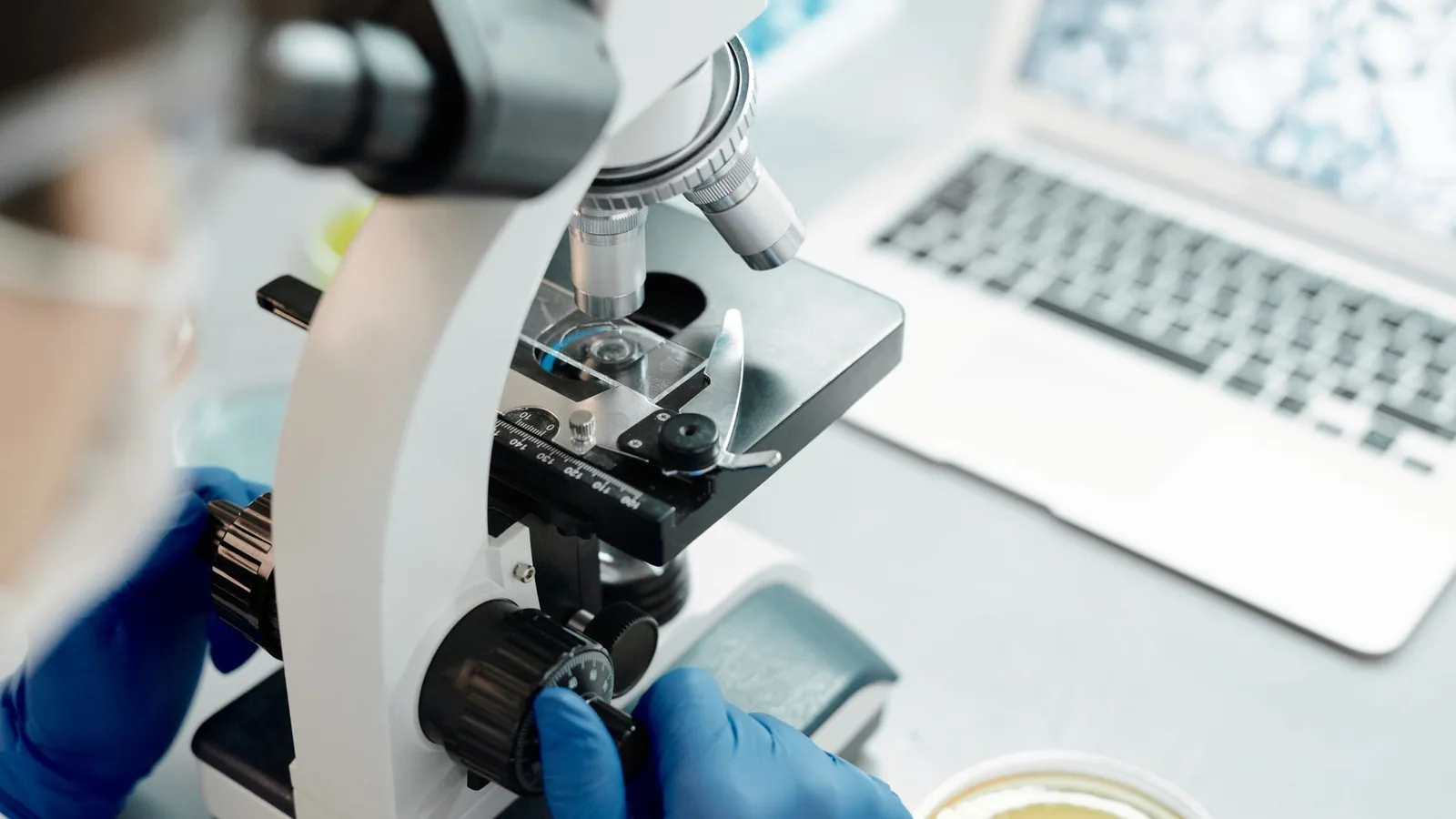
Many programs also require laboratory work, where you learn techniques like PCR, microscopy, and cell culture. This hands-on training prepares you for real world applications in medicine, research, and health sciences.
Why Choose This Major? Career Paths and Opportunities
A human biology major opens doors to many careers. Because the degree emphasizes the science of human health, it is an excellent choice for pre-medical, pre-dental, and pre-physician assistant students. But even if you are not planning to go to medical school, the skills you gain are highly valued in many fields.
Here are some common career paths for human biology graduates:
| Career Path | Typical Roles | Additional Requirements |
|---|---|---|
| Healthcare | Doctor, dentist, physician assistant, nurse | Graduate or professional school |
| Research | Lab technician, research associate, PhD scientist | Master’s or PhD |
| Biotechnology | Product development, quality control, sales | Bachelor’s or Master’s |
| Public Health | Epidemiologist, health educator, policy analyst | Master’s in Public Health |
| Education | High school teacher, science communicator | Teaching certification or graduate degree |
The major also provides a strong foundation for graduate studies in biomedical sciences, bioinformatics, or genetic counseling. Because human biology is so relevant to current health challenges like pandemics, chronic diseases, and aging, job growth in these areas is expected to remain strong.
Key Skills You Will Develop
Beyond memorizing facts, a human biology major teaches you how to think like a scientist. You will develop a set of transferable skills that employers and graduate schools value highly.
- Critical thinking and problem solving: You learn to analyze complex biological data, interpret research findings, and design experiments.
- Laboratory proficiency: Hands-on training in techniques like ELISA, DNA extraction, and histology prepares you for bench work.
- Communication: You will write lab reports, present research findings, and explain scientific concepts to diverse audiences.
- Quantitative analysis: Courses often include biostatistics and data interpretation, essential for evidence based practice.
- Teamwork and collaboration: Many programs include group projects and team based research, mimicking real world scientific environments.
These skills are not just for the lab. They translate directly to roles in healthcare management, science journalism, and regulatory affairs.
How to Succeed as a Human Biology Major
Success in this major requires more than just attending lectures. Here are practical tips to maximize your learning and career readiness.
1. Get involved in undergraduate research. Seek out a faculty mentor and join a lab early. Research experience strengthens your resume and clarifies your career interests. Many universities offer summer research programs or independent study credits.
2. Build a strong foundation in chemistry and math. Human biology is heavily integrated with biochemistry and molecular biology. A solid understanding of organic chemistry and statistics will make advanced courses much easier.
3. Network with professionals. Attend career fairs, join pre-health clubs, and talk to alumni in your field. These connections can lead to internships, shadowing opportunities, and job offers.
4. Consider a minor or double major. Pairing human biology with public health, psychology, or data science can make you more competitive for specific roles. For example, a minor in bioinformatics is excellent for genomics research.
5. Stay current with scientific news. Follow journals like Nature or Science, and subscribe to newsletters from the National Institutes of Health. Understanding emerging trends like CRISPR, personalized medicine, and microbiome research will give you an edge in interviews and discussions.
Final Thoughts
A human biology major is a challenging but rewarding path for anyone passionate about understanding the human body and improving health outcomes. It provides a deep, focused education that prepares you for graduate school, professional health programs, or immediate entry into the biomedical workforce. If you are ready to dive into the science of what makes us human, this major is an excellent starting point.
Written by Zubair Khalid, DVM, MS, PhD, a molecular biologist and computational researcher sharing practical insights in bioinformatics and biotechnology.