Developmental Biology: From Embryo to Career
By Dr. Zubair Khalid, DVM, MS, PhD ·
Key Takeaways
- Developmental biology elucidates fundamental processes including fertilization, cleavage, gastrulation (forming ectoderm, mesoderm, endoderm), pattern formation (establishing body axes), morphogenesis (tissue shaping), and differentiation (cell specialization), which are conserved across species and critical for organismal complexity.
- Key molecular signaling pathways such as Hedgehog, Wnt, BMP, Notch, and Retinoic Acid signaling, alongside transcription factors like Hox genes, orchestrate cell communication and fate determination during development, with dysregulation linked to congenital anomalies and cancer.
- Modern techniques like CRISPR-Cas9 gene editing, single-cell RNA sequencing (scRNA-seq), and live imaging with light-sheet microscopy enable precise manipulation and observation of developmental processes, revealing cellular trajectories and gene expression dynamics.
- Understanding developmental mechanisms directly informs clinical applications in congenital anomaly research, regenerative medicine (e.g., organoid development), and cancer biology, where tumor cells often reactivate developmental programs.
From a single fertilized egg to a complex organism with trillions of specialized cells, developmental biology unravels one of nature's most astonishing feats. This field explores how organisms grow, differentiate, and achieve their final form. It answers fundamental questions: How does a cell know to become a neuron instead of a muscle cell? How do tissues and organs arrange themselves in precise patterns? For students, researchers, and clinicians, understanding developmental biology is not just academic; it offers insights into birth defects, regenerative medicine, and cancer. This guide breaks down the core concepts, key molecular players, and modern techniques that define this dynamic discipline.
The Blueprint of Life: Key Developmental Processes
Development proceeds through a series of tightly orchestrated events. While the specifics vary across species, the fundamental processes are remarkably conserved. The following table summarizes the major stages and their significance.
| Process | Description | Clinical Relevance |
|---|---|---|
| Fertilization & Cleavage | Fusion of gametes followed by rapid cell divisions without growth. | Errors can lead to miscarriage or infertility. |
| Gastrulation | Massive cell movements that form three germ layers (ectoderm, mesoderm, endoderm). | Defects cause severe malformations (e.g., neural tube defects). |
| Pattern Formation | Establishment of body axes (anterior-posterior, dorsal-ventral) and positional identity. | Disrupted signaling leads to misplaced organs or limbs. |
| Morphogenesis | Shaping of tissues through cell migration, adhesion, and death. | Aberrant morphogenesis underlies many congenital anomalies. |
| Differentiation | Cells acquire specialized functions through regulated gene expression. | Failure to differentiate is a hallmark of tumors. |
These processes do not occur in isolation; they rely on intricate molecular dialogues between cells and their environment.
Molecular Players: Signaling Pathways and Gene Regulation
Developmental biologists have identified a handful of signaling pathways that are repeatedly used to instruct cell fate. These pathways act like molecular handsets, allowing cells to communicate and coordinate their actions. Key pathways include:
- Hedgehog (Hh) pathway: Critical for limb patterning and neural tube development. Mutations in this pathway cause holoprosencephaly (a forebrain defect).
- Wnt pathway: Regulates cell proliferation, polarity, and stem cell maintenance. Overactive Wnt signaling is linked to colorectal cancer.
- BMP (Bone Morphogenetic Protein) pathway: Controls dorsal-ventral patterning and bone formation. BMP antagonists like Noggin are essential for neural induction.
- Notch pathway: Mediates lateral inhibition, allowing neighboring cells to adopt different fates (for example, in neurogenesis).
- Retinoic acid (RA) signaling: A morphogen that establishes positional identity along the anterior-posterior axis, particularly in the hindbrain and limbs.
In addition to signaling, transcription factors such as Hox genes act as master regulators. Hox genes are arranged in clusters and specify regional identity along the body axis. A single Hox gene mutation can transform one body segment into another, a phenomenon called homeotic transformation.
Modern Techniques Driving Discovery
The study of developmental biology has been revolutionized by new technologies. Researchers can now observe and manipulate developing embryos with unprecedented precision. Here are three transformative approaches:
- CRISPR-Cas9 gene editing: Allows precise knockout or modification of developmental genes to study their function. Conditional knockouts (using Cre-lox systems) enable tissue-specific or time-specific deletions.
- Single-cell RNA sequencing (scRNA-seq): Profiling the transcriptomes of individual cells during development reveals rare cell types and dynamic gene expression trajectories. This technique has mapped cell lineage trees for entire embryos.
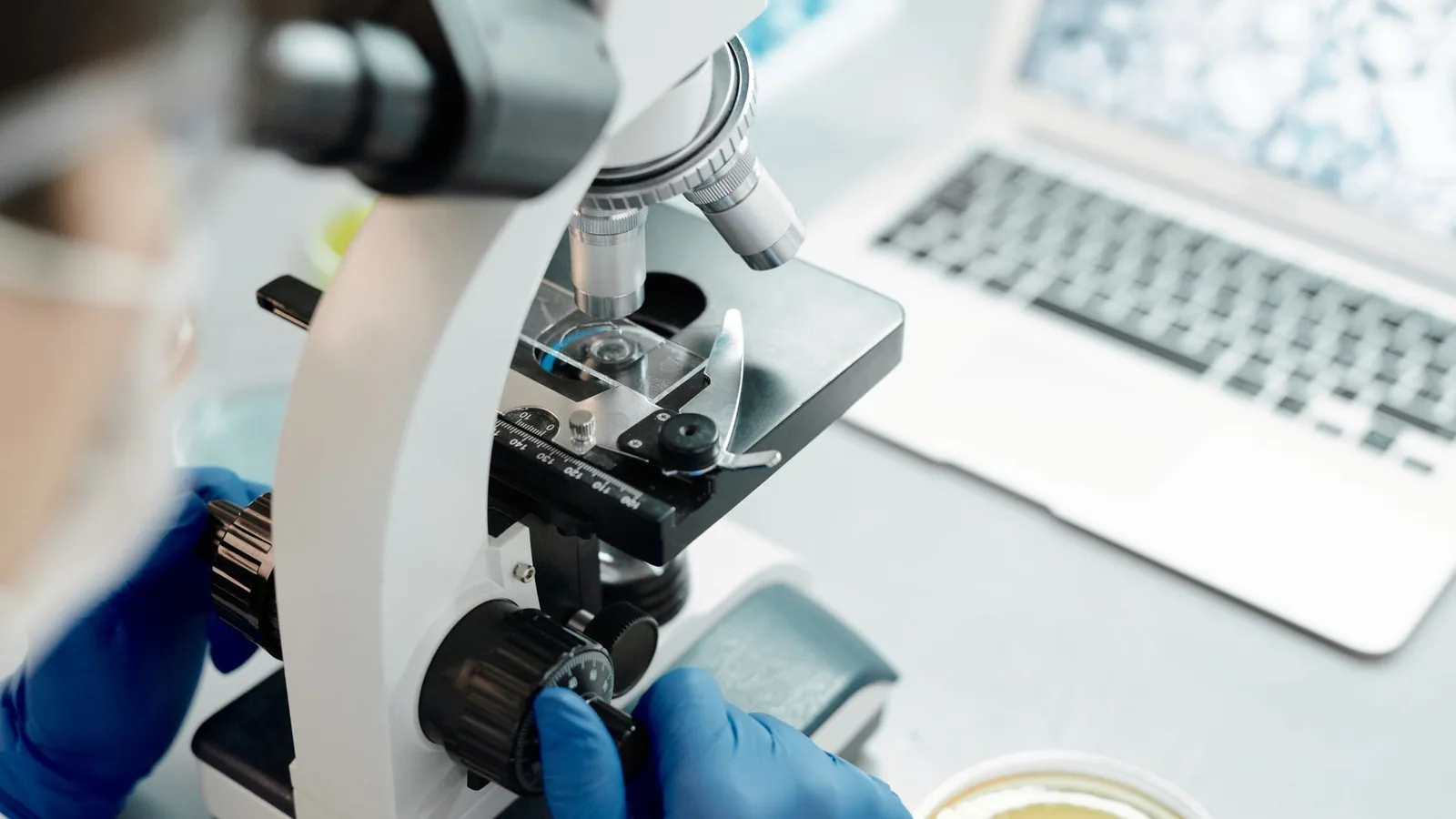
- Live imaging and light-sheet microscopy: Modern microscopes can capture 3D videos of developing organisms over hours or days. Fluorescent reporters (e.g., GFP) label specific cell types, allowing real-time observation of morphogenesis.
These tools have not only deepened our understanding of normal development but also illuminated how development goes awry in disease.
From Bench to Clinic: Applications and Career Paths
Developmental biology is no longer confined to academic curiosity. Its principles directly inform medical practice and biotechnology.
- Congenital anomaly research: Understanding gastrulation and organogenesis helps identify causes of birth defects like spina bifida or cleft palate, leading to better prevention and genetic counseling.
- Regenerative medicine: By recapitulating developmental pathways, scientists coax stem cells into forming organoids (miniature organs) for drug testing or transplantation.
- Cancer biology: Tumor cells often reactivate developmental programs (e.g., Wnt signaling, epithelial-mesenchymal transition). Developmental biology provides a framework for understanding metastasis and treatment resistance.
For those pursuing careers in developmental biology, typical roles include academic researcher, biotech scientist (e.g., focusing on organoids or gene therapy), clinical geneticist, or science writer. A strong foundation in molecular biology, genetics, and bioinformatics is essential. Graduate programs often emphasize hands-on experience with model organisms like zebrafish, mice, or fruit flies.
--
Developmental biology continues to push the boundaries of what we know about life's earliest moments. As new technologies emerge, the field will undoubtedly yield even more astonishing discoveries, from creating synthetic embryos to repairing damaged organs. Whether you are a student starting your journey or a professional seeking a refresher, the fundamental beauty of development remains a source of endless inspiration.
Written by Zubair Khalid, DVM, MS, PhD, a molecular biologist and computational researcher sharing practical insights in bioinformatics and biotechnology.