What Is Biology Translation? Definition and Careers
By Dr. Zubair Khalid, DVM, MS, PhD ·
Key Takeaways
- Biology translation is the fundamental cellular process of synthesizing proteins from messenger RNA (mRNA) templates on ribosomes, involving initiation, elongation, and termination phases.
- This process is critical for drug development, as many therapeutics are recombinant proteins, requiring optimization of translation efficiency for yield and purity.
- In genetic engineering and synthetic biology, understanding translation allows for precise control of protein output through mechanisms like ribosome binding site engineering.
- Bioinformatics and computational biology leverage translation knowledge for analyzing omics data, predicting protein levels from RNA sequencing, and interpreting ribosome profiling data.
- Career paths such as Research Scientist, Bioprocess Engineer, and Bioinformatics Analyst directly utilize expertise in translation, from experimental design to data interpretation and process optimization.
- Building expertise involves foundational coursework, hands-on laboratory experience with protein purification or cell-free systems, and proficiency with computational tools for analyzing translation-related data.
In molecular biology, translation is the process by which a cell synthesizes proteins using the genetic information encoded in messenger RNA (mRNA). This fundamental mechanism sits at the heart of the central dogma of molecular biology, forming the bridge between genetic code and functional cellular machinery. For anyone pursuing a career in biotechnology, pharmaceuticals, or bioinformatics, a clear understanding of translation is not optional: it is essential. This article defines biology translation, explains its relevance to modern careers, and provides actionable steps to build expertise in this critical area.
What is Biology Translation? The Molecular Machinery
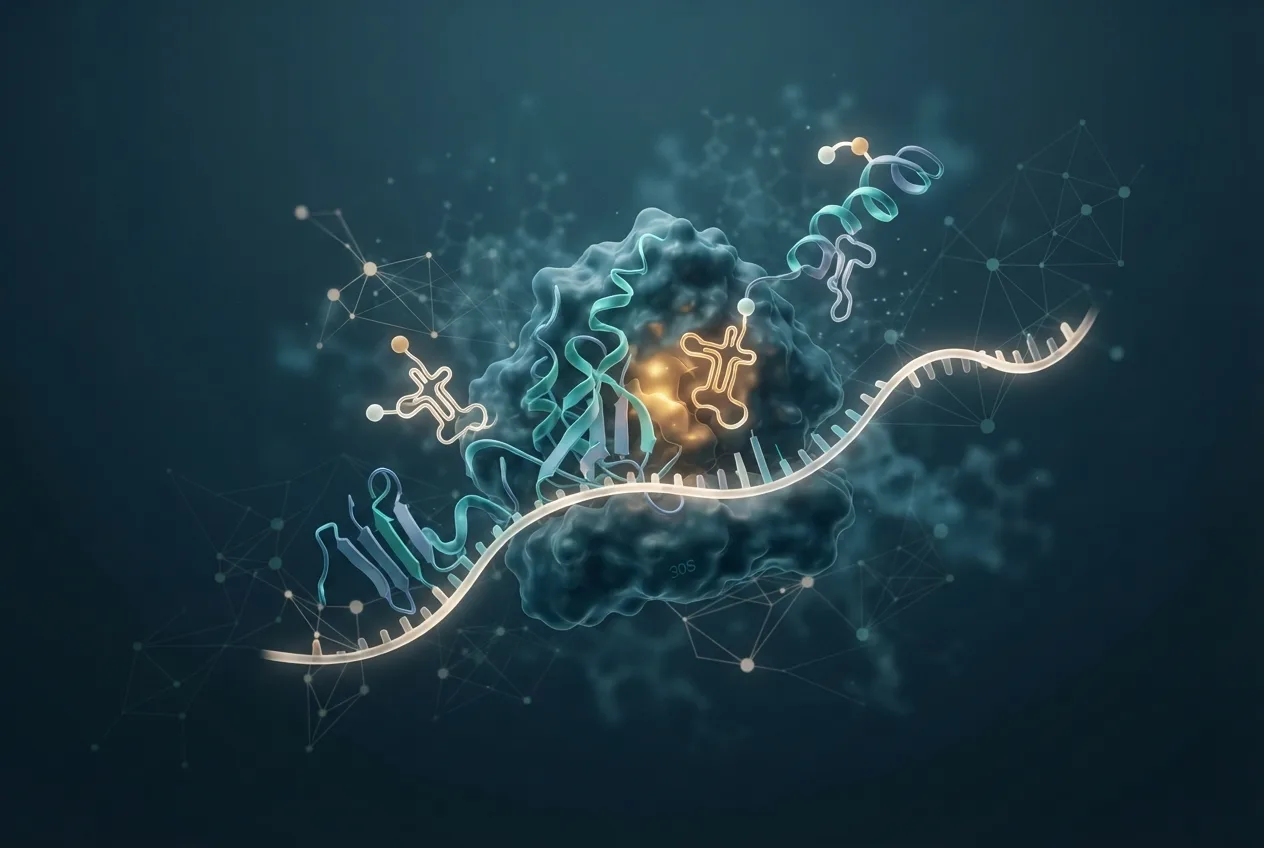
Translation is the conversion of the nucleotide sequence of mRNA into a polypeptide chain, which folds into a functional protein. The process occurs on ribosomes, complex molecular machines composed of ribosomal RNA and proteins. Three major phases define translation:
- Initiation: The small ribosomal subunit binds to mRNA near the start codon (AUG). Initiator transfer RNA (tRNA) carrying methionine recognizes this codon, and the large ribosomal subunit joins to form a functional ribosome.
- Elongation: The ribosome moves along the mRNA, reading each three nucleotide codon. Specific tRNA molecules bring the corresponding amino acids. Peptide bonds form between adjacent amino acids, building the growing polypeptide chain.
- Termination: When a stop codon (UAA, UAG, or UGA) appears, release factors trigger the disassembly of the complex. The completed polypeptide is released and undergoes folding and post translational modifications.
Each step requires energy (GTP) and precise molecular recognition. Errors in translation can lead to misfolded proteins, disease, or cell death. Mastering the details of this process is critical for careers where protein function and production are central.
Why Translation Matters for Your Career
If you work in the life sciences, you will almost certainly interact with translation related concepts. Here are key industry scenarios where translation knowledge is indispensable:
- Drug Development: Many modern therapeutics are proteins themselves monoclonal antibodies, enzymes, or fusion proteins. Understanding how cells produce these proteins impacts yield, purity, and activity. Scientists optimize translation efficiency through codon usage and expression system selection.
- Genetic Engineering: Synthetic biologists design genetic circuits that control translation rates. For example, ribosome binding site engineering in bacteria allows precise tuning of protein output.
- CRISPR and Gene Editing: Some CRISPR systems target RNA rather than DNA. Knowing translation dynamics helps design guide RNAs that effectively block or alter protein synthesis.
- Bioinformatics and Computational Biology: Predicting protein levels from RNA sequencing data, modeling translation efficiency, and analyzing ribosome profiling data all require a deep grasp of translation mechanics.
Employers value professionals who can connect molecular events to product outcomes. Whether you are a lab scientist, a data analyst, or a regulatory specialist, fluency in translation terminology and concepts sets you apart.
Key Career Paths Involving Translation
The following table outlines major career roles where translation knowledge is a core competency:
| Career Role | Primary Focus | Translation Relevant Skills Required |
|---|---|---|
| Research Scientist (Molecular Biology) | Studying gene expression and protein function | Experimental design for translation assays, understanding ribosome binding, codon bias, and post translational modifications |
| Bioprocess Engineer | Large scale protein production in bioreactors | Optimizing translation rate, selecting expression hosts (E. coli, yeast, CHO cells), troubleshooting low yields |
| Bioinformatics Analyst | Analyzing omics data (transcriptomics, proteomics) | Algorithm development for translation efficiency prediction, ribosome profiling data processing, integration with RNA seq |
| Science Writer or Medical Writer | Communicating research findings to diverse audiences | Translating complex translation mechanisms into accessible language for grants, patents, or public education |
| Regulatory Affairs Specialist | Ensuring approved products meet safety and efficacy standards | Reviewing manufacturing processes that rely on translation fidelity; knowledge of quality control for recombinant proteins |
Each path demands a blend of theoretical understanding and practical application. For example, a bioinformatics analyst must know the biological constraints that underlie their computational models, while a bioprocess engineer needs to recognize how translation rate affects product quality.
How to Build Expertise in Translation for Career Growth
If you want to strengthen your foundation in biology translation, consider these actionable steps:
- Take foundational courses: Enroll in university courses or online modules (Coursera, edX) on molecular biology, biochemistry, or synthetic biology. Focus on sections covering the ribosome cycle and genetic code.
- Gain hands on lab experience: Execute a purification of a recombinant protein. Use cell free translation systems to study parameters that affect yield. Document observations about codon usage or induction conditions.
- Learn computational tools: Familiarize yourself with tools like the Ribosome Binding Site Calculator (RBS Calculator), Codon Usage Database, and software for analyzing ribosome profiling data (e.g., RiboSeqR, Plastid). These are widely used in industry.
- Read primary literature: Follow journals like Molecular Cell, Nature Structural and Molecular Biology, and Nucleic Acids Research for the latest mechanistic insights. Pay attention to how translation is studied via cryo EM or single molecule techniques.
- Network with professionals: Attend biotech conferences or webinars focused on protein production and synthetic biology. Discuss translation challenges with peers to see how concepts apply in real world settings.
Combining these approaches will give you both the depth and breadth needed to excel in roles that revolve around protein synthesis and its applications.
Understanding biology translation is more than a textbook exercise. It is a practical skill that opens doors to careers in drug discovery, industrial biotechnology, and computational biology. By mastering the molecular details and connecting them to industry needs, you position yourself as a valuable asset in a rapidly evolving field. Start today by exploring one of the resources mentioned above, and watch your career pathway become clearer.
Written by Zubair Khalid, DVM, MS, PhD, a molecular biologist and computational researcher sharing practical insights in bioinformatics and biotechnology.