What It Takes to Become a Biology Teacher
By Dr. Zubair Khalid, DVM, MS, PhD ·
Key Takeaways
- Effective biology teachers require a deep conceptual understanding of biological principles, from molecular mechanisms like photosynthesis and cellular respiration to ecological interactions and genetic inheritance, enabling them to explain complex phenomena and their interconnections.
- Proficiency in laboratory safety and practical skills, including safe handling of chemicals, proper dissection techniques, and microscope use, is paramount for hands-on biological education and must be rigorously taught to students.
- Engaging biology instruction necessitates employing diverse pedagogical strategies such as inquiry-based learning, incorporating current scientific events (e.g., CRISPR applications, vaccine development), and utilizing models or simulations to illustrate concepts like mitosis or anatomical structures.
- Modern biology educators leverage technology, including virtual labs (e.g., Labster, PhET), data analysis tools (e.g., Excel, Google Sheets), and visualization software (e.g., BioDigital), to supplement, not replace, essential hands-on experiences.
- Career pathways into biology teaching often involve a science degree followed by teacher certification or a Master's in Education, with ongoing professional development crucial for staying abreast of rapid biological advancements and specialized fields like AP Biology or environmental science.
Biology is the science of life, and teaching it to students is both a privilege and a challenge. A great biology teacher does more than deliver facts about cells, ecosystems, and genetics. They spark curiosity, guide critical thinking, and help students connect the living world to their own experiences. Whether you are considering a career in biology education or want to sharpen your existing teaching skills, understanding the essential qualities and strategies of an effective biology teacher can transform your classroom.
The Core Skills Every Biology Teacher Needs
Successful biology teaching demands a blend of scientific knowledge and pedagogical expertise. You cannot inspire students if you are unsure of the material yourself. But beyond content mastery, certain skills set outstanding biology teachers apart.
1. Deep Understanding of Biological Concepts You must be comfortable with topics ranging from molecular biology to ecology. This does not mean memorizing every fact, but having a strong conceptual framework that allows you to explain complex ideas in simple terms. For example, when teaching photosynthesis, you should be able to connect it to cellular respiration, energy flow, and even climate change.
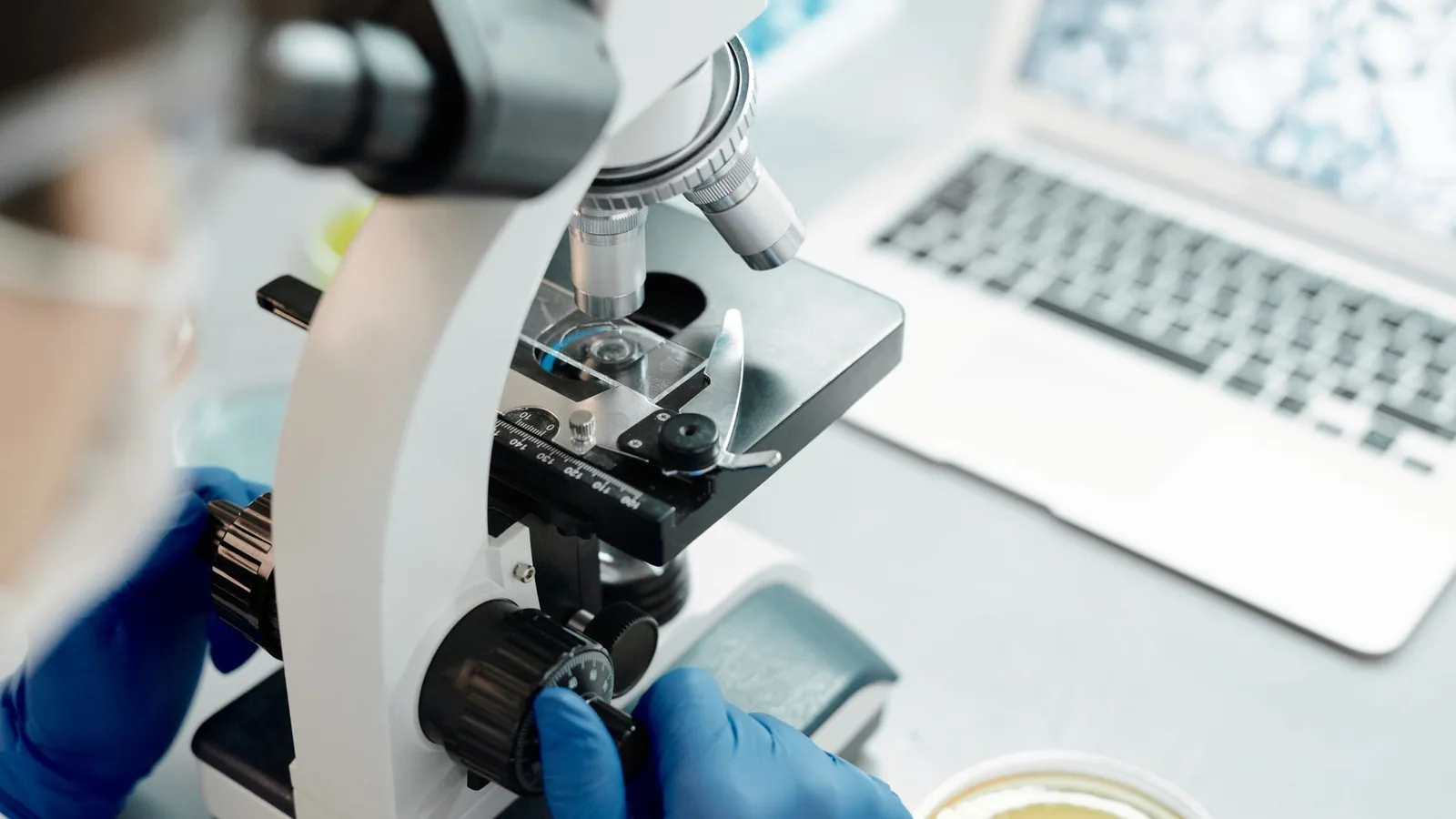
2. Lab Safety and Practical Skills Biology is a hands-on science. You need to know how to set up dissections, prepare microscope slides, and handle chemicals safely. More importantly, you must teach students proper lab protocols and safety procedures from day one.
3. Communication and Adaptability Every student learns differently. A great biology teacher can explain the same concept in multiple ways using analogies, diagrams, models, or real world examples. You should also be able to adjust your teaching style for different age groups and learning abilities.
4. Classroom Management Engaging students in biology often involves active learning and group work. Managing a room full of excited students handling live organisms or performing experiments requires calm authority and clear routines.
Practical Strategies for Engaging Biology Lessons
Theoretical knowledge matters, but what really makes a biology teacher effective is the ability to bring lessons to life. Here are proven strategies that work across grade levels.
- Start with a hook. Begin each lesson with a surprising fact, a question, or a short video. For example, when teaching evolution, ask students why some bacteria are resistant to antibiotics.
- Use inquiry based learning. Instead of telling students the answer, let them design experiments to find out. A classic example is having them test the effect of light on plant growth.
- Incorporate current events. Connect biology to news articles about CRISPR, new vaccines, or environmental issues. This shows students that biology is alive and relevant.
- Use models and simulations. When dissecting a frog is not possible, 3D models or virtual dissection software can be just as effective.
- Assess with variety. Use quizzes, lab reports, projects, and presentations. Avoid relying solely on multiple choice tests.
Another powerful technique is to use storytelling. The history of biology is full of dramatic discoveries and personal struggles. Share stories about scientists like Rosalind Franklin, Charles Darwin, or Barbara McClintock. These narratives make biology more memorable and human.
Technology Tools for the Modern Biology Teacher
Today’s biology teacher has access to an incredible array of digital tools. Using them wisely can enhance learning and save time.
| Tool Category | Examples | Purpose |
|---|---|---|
| Virtual labs | Labster, PhET simulations | Simulate experiments when physical labs are unavailable |
| Data analysis | Google Sheets, Excel | Teach students to graph and interpret biological data |
| Video platforms | YouTube, Khan Academy | Provide visual explanations of complex processes (e.g., mitosis) |
| Interactive textbooks | CK-12, OpenStax | Offer free, customizable content with embedded quizzes |
| Collaboration tools | Google Classroom, Padlet | Manage assignments and foster student discussions |
| Modeling software | BioDigital, Cell Collective | Visualize 3D anatomy or cellular pathways |
When choosing a tool, always ask: Does it replace a meaningful hands on experience, or does it enhance it? For example, a virtual dissection can be a good alternative if you lack specimens, but nothing beats the real thing for tactile learning. Use technology to supplement, not to substitute.
Career Paths and Professional Development
Many biology teachers start with a degree in biology or a related field, then complete a teaching certification or a master’s in education. However, alternative routes exist, such as Teach for America or transition to teaching programs for career changers with a science background.
Once in the classroom, continuous learning is essential. Biology advances rapidly, and your curriculum must reflect new discoveries. Attend workshops, join professional organizations like the National Association of Biology Teachers (NABT), and follow peer reviewed journals such as The American Biology Teacher. Many schools also offer funding for teachers to attend science conferences.
You can also consider specializing. Some biology teachers focus on advanced placement (AP) courses, others on environmental science, and still others on biomedical or pre nursing tracks. Specialization can lead to higher pay and more rewarding teaching experiences.
Finally, remember that teaching biology is not just about the job. It is about shaping the next generation of scientists, doctors, and informed citizens. Every time a student asks “why” and you help them find the answer, you are doing the most important work there is.
--
Written by Zubair Khalid, DVM, MS, PhD, a molecular biologist and computational researcher sharing practical insights in bioinformatics and biotechnology.