What a Biology Minor Adds to Your Degree
By Dr. Zubair Khalid, DVM, MS, PhD ·
Key Takeaways
- A biology minor provides foundational knowledge in core biological concepts such as cell biology, genetics, ecology, and evolution, typically requiring 15-20 credit hours.
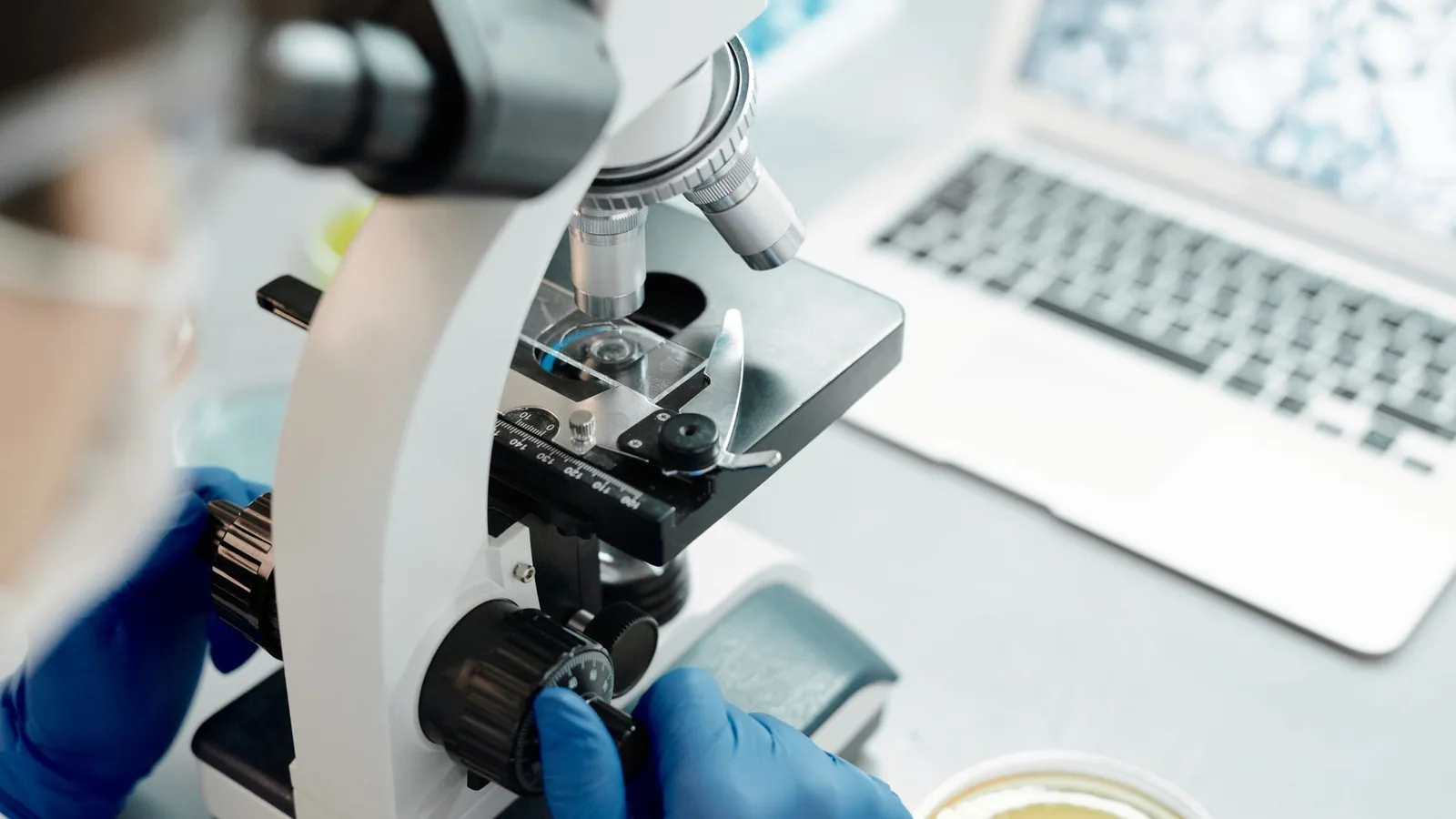
- It equips students with practical laboratory skills including experimental design, microscopy, data recording, and adherence to safety protocols, alongside scientific writing and data interpretation.
- The minor enhances career prospects in interdisciplinary fields like bioinformatics, computational biology, health informatics, biotech sales, and science journalism by demonstrating scientific literacy.
- It strengthens graduate school applications for programs in health sciences, environmental policy, and law (e.g., bioethics, intellectual property), signaling academic rigor and diverse coursework capability.
- Coursework often includes foundational biology, genetics, and a laboratory component, with electives allowing specialization in areas like ecology, microbiology, physiology, neuroscience, or bioinformatics.
- Students should consider program flexibility for electives, genuine hands-on lab availability, potential research opportunities, and the overall credit load to ensure alignment with their primary major and graduation timeline.
A biology minor is one of the most versatile and valuable additions to any college degree. Whether you are studying computer science, business, psychology, or engineering, adding a biology minor can open doors to interdisciplinary careers, strengthen your graduate school applications, and deepen your understanding of the living world. This guide explains what a biology minor entails, who should consider it, how it benefits your career, and what to expect from the coursework.
What is a biology minor and who should consider it?
A biology minor is a structured set of undergraduate courses (typically 15 to 20 credit hours) that provides foundational knowledge in the life sciences. Unlike a major, which requires extensive depth and a capstone research project, a minor offers a focused introduction to core biological concepts such as cell biology, genetics, ecology, and evolution.
Students who should consider a biology minor include:
- Pre-med, pre-dental, and pre-vet students who want to strengthen their science background without committing to a full biology major.
- Computer science and data science majors interested in bioinformatics, computational biology, or health informatics.
- Psychology and neuroscience majors seeking a deeper understanding of the biological basis of behavior.
- Business or communications majors aiming for careers in biotech sales, pharmaceutical marketing, or science journalism.
- Environmental science or public health majors who want to complement their policy or social science training with hard science.
The beauty of a biology minor is its flexibility. Many programs allow you to choose electives that align with your primary major, making the minor a truly personalized credential.
Key benefits of a biology minor
A biology minor can significantly boost your resume and skill set. Here are the most important benefits:
1. Enhanced career opportunities Many industries now demand workers who can bridge biology with other fields. For example, biotech companies need employees who understand both lab techniques and business operations. A biology minor shows employers that you have scientific literacy and can handle complex technical concepts.
2. Stronger graduate school applications Graduate programs in health sciences, environmental policy, and even law (especially bioethics or intellectual property law) look favorably on applicants with a science minor. It demonstrates academic rigor, curiosity, and the ability to thrive in diverse coursework.
3. Practical lab and analytical skills Most biology minors include at least one laboratory course. You will learn pipetting, microscopy, data analysis, and scientific writing. These hands-on skills are transferable to many roles, from research assistant to quality control specialist.
4. Interdisciplinary problem solving Biology teaches you to think in systems: how molecules, cells, organisms, and ecosystems interact. This systems thinking is invaluable in fields like artificial intelligence, sustainable agriculture, and public health policy.
Common courses and skills you will gain
While requirements vary by university, most biology minors include a core set of courses. Here is a typical structure:
| Course Category | Example Courses | Skills Developed |
|---|---|---|
| Foundation | General Biology I & II, Cell Biology | Basic knowledge of life processes, cell structure, and metabolism |
| Genetics | Genetics, Molecular Biology | Understanding of DNA, heredity, and gene expression |
| Lab Requirement | Lab component in any biology course | Experimental design, pipetting, data recording, safety protocols |
| Electives (choose 2-3) | Ecology, Microbiology, Physiology, Neuroscience, Bioinformatics | Specialized knowledge, critical analysis, and interdisciplinary thinking |
In addition to content knowledge, you will sharpen your ability to read scientific literature, interpret graphs and tables, and communicate findings clearly. These skills are often underrated but are highly valued in any technical or managerial role.
How to choose a biology minor program
Not all biology minors are created equal. When selecting a program, consider these factors:
- Course flexibility: Can you choose electives that align with your major? Some programs have a rigid set of required courses, while others allow you to tailor the minor.
- Lab availability: If you are in a non-lab major, make sure the biology minor offers a genuine lab experience. Online lab simulations are not the same as hands-on training.
- Research opportunities: Some universities let minor students participate in undergraduate research. This is a huge plus for anyone considering graduate school.
- Credit load: Check how many extra credits the minor requires. A minor that adds 20 credits may delay graduation, but one that overlaps with your major prerequisites can be managed easily.
Pro tip: Before declaring a biology minor, meet with an advisor in both your major department and the biology department. They can help you map out a schedule that avoids conflicts and maximizes learning.
The biology minor is a smart, strategic choice for students who want to expand their horizons without overcommitting to a full science major. It provides a solid foundation in the language of life, equips you with practical skills, and makes you a more competitive candidate in many fields. Whether you are aiming for medical school, a tech startup, or a career in environmental policy, a biology minor will give you a distinct edge.
Written by Zubair Khalid, DVM, MS, PhD, a molecular biologist and computational researcher sharing practical insights in bioinformatics and biotechnology.