What to Expect in a Biology Course
By Dr. Zubair Khalid, DVM, MS, PhD ·
Key Takeaways
- A robust biology course integrates foundational concepts like cell structure, energy metabolism (respiration, photosynthesis), and membrane transport with advanced topics such as CRISPR gene editing and microbiome research to reflect the dynamic nature of the field.
- Understanding genetics and molecular biology, including DNA replication, transcription, and translation, is critical for applications in medicine, genetic engineering, and forensic science.
- The study of evolution and ecology, encompassing natural selection, speciation, and population dynamics, provides the framework for understanding biodiversity and informing conservation strategies.
- Physiology modules, covering organ systems and homeostasis, are directly applicable to fields like sports science and pharmacology, offering insights into health and disease mechanisms.
- Effective learning strategies involve mastering specialized vocabulary (e.g., glycolysis, allele frequency), visualizing complex processes through diagrams, and employing active recall and spaced repetition techniques.
- Successful biology programs emphasize qualified instructors with advanced degrees, a practical laboratory component or virtual simulations, and diverse assessment methods to ensure comprehensive understanding.
The living world operates on principles that are both elegant and complex. A high quality biology course does not simply teach you facts; it reveals the patterns that govern life from the molecular scale to entire ecosystems. Whether you are a high school student preparing for college, a career switcher aiming for the biotech industry, or a lifelong learner, choosing the right biology course and approaching it with the right strategy will set the foundation for success. This guide outlines what makes a great biology course, what you can expect to learn, and how to get the most out of your study.
Why Study Biology?
Biology is the science of life itself. Understanding it opens doors to medicine, environmental science, biotechnology, pharmacology, and many other fields. Beyond career paths, a solid biology course sharpens critical thinking and analytical skills. You learn to design experiments, interpret data, and understand the cause and effect relationships that underpin health, disease, and ecological balance.
Biology courses have become more accessible than ever. From traditional university lectures to self paced online programs, you can find a course that fits your schedule and learning style. The key is to choose one that balances theory with hands on practice.
What to Look for in a Biology Course
Not all biology courses are created equal. Here are the essential criteria to consider before enrolling:
- Qualified Instructors: Look for courses taught by professionals with advanced degrees (PhD, MD, or equivalent) and teaching experience. Instructor credentials ensure depth and accuracy.
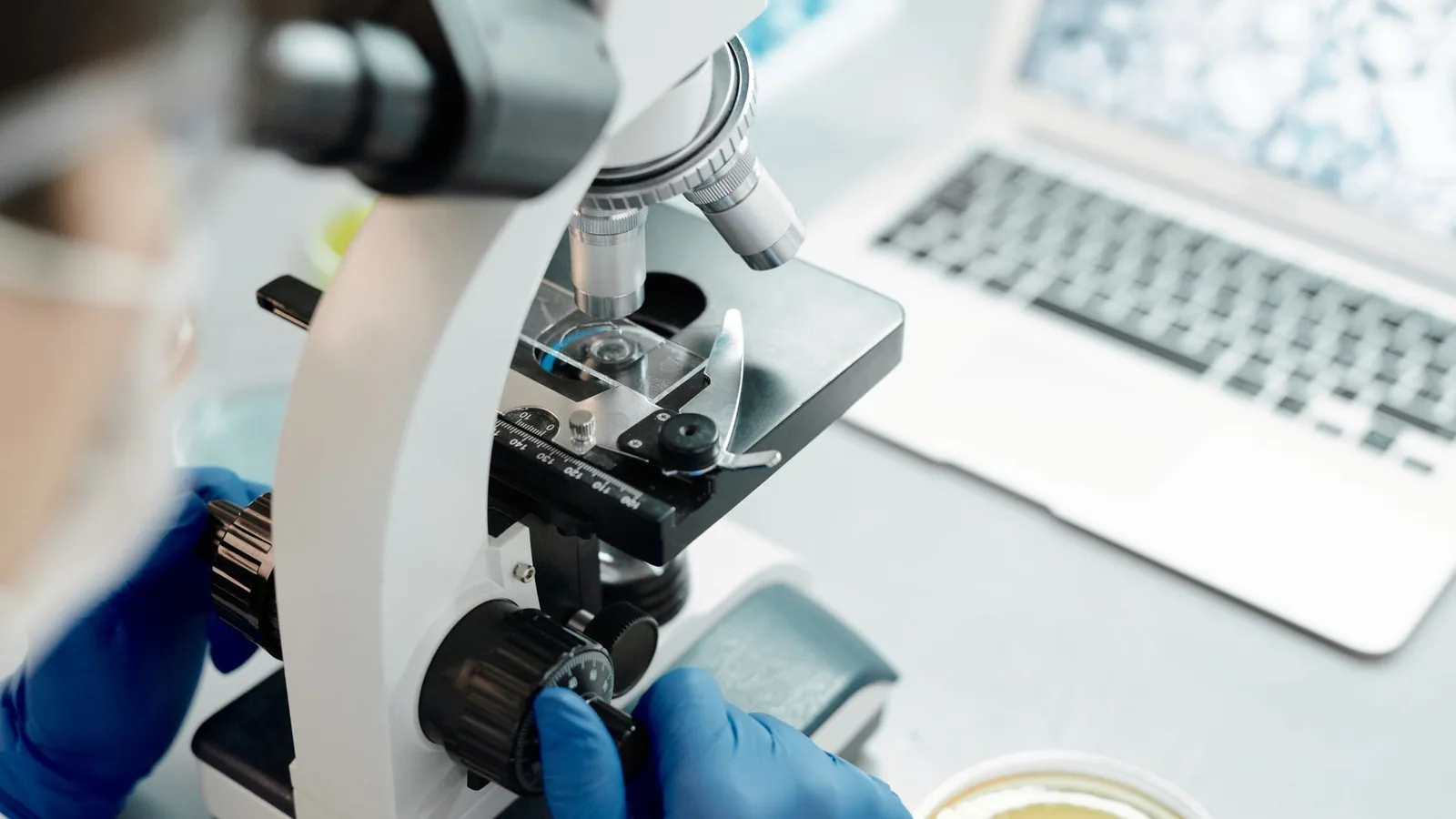
- Laboratory Component: Biology is an experimental science. A course without labs or virtual simulations will leave you with only half the picture.
- Current Curriculum: Biology evolves rapidly. The course should cover modern topics such as CRISPR gene editing, microbiome research, and systems biology, not just outdated textbook models.
- Assessment Variety: Good courses use a mix of quizzes, essays, lab reports, and final exams to test understanding from multiple angles.
- Support Resources: Access to tutoring, discussion forums, office hours, or recorded lectures can make the difference between struggling and thriving.
- Accreditation or Certification: If you need the course for a degree or job application, verify that the institution or platform offers valid credit or a recognized certificate.
Core Topics Covered in a Typical Biology Course
A comprehensive biology course usually follows a logical progression from the smallest to the largest scales of life. Below is a summary table of the major modules you can expect:
| Module | Key Concepts | Why It Matters |
|---|---|---|
| Cell Biology | Cell structure, membrane transport, energy production (respiration and photosynthesis) | Foundation for understanding how organisms work at the molecular level |
| Genetics & Molecular Biology | DNA replication, transcription, translation, gene regulation, Mendelian genetics | Essential for medicine, genetic engineering, and forensic science |
| Evolution & Ecology | Natural selection, speciation, population dynamics, ecosystems | Explains biodiversity and informs conservation efforts |
| Physiology | Organ systems (circulatory, nervous, immune, etc.), homeostasis | Directly applicable to health, sports science, and pharmacology |
| Microbiology | Bacteria, viruses, fungi, microbial growth, immunity | Crucial for infectious disease control and biotechnology |
Some advanced courses also include bioinformatics, developmental biology, or neurobiology. The best courses connect these topics with real world case studies.
Practical Tips for Succeeding in a Biology Course
Biology is a vocabulary rich subject. Memorization alone will not work; you must learn to connect concepts. Follow these strategies to excel:
- Master the vocabulary early: Create flashcards for terms like "glycolysis" or "allele frequency". Use them daily until the definitions become automatic.
- Draw diagrams: Sketch cellular processes, metabolic pathways, and phylogenetic trees. Visual learning solidifies spatial and sequential relationships.
- Do the assigned readings before lectures: Arriving with a baseline understanding makes lecture time more productive and your questions more specific.
- Form a study group: Explaining concepts to peers forces you to clarify your own thinking. Group discussions also reveal gaps in your understanding.
- Use active recall and spaced repetition: Instead of rereading notes, quiz yourself regularly. Apps like Anki or Quizlet can help schedule reviews.
- Connect biology to your life: Relate course material to news articles about health breakthroughs, or to your own experiences with nutrition, exercise, or disease. This makes learning personal and memorable.
Remember that difficulty is normal, especially in areas like biochemistry or genetics. The best biology courses include opportunities for feedback. Do not hesitate to ask instructors for clarification.
Conclusion
A well structured biology course can change how you see the world. It gives you the tools to understand life’s machinery and to tackle problems in medicine, agriculture, and environmental science. By selecting a course with strong instruction, current content, and practical labs, and by applying active learning strategies, you can master the material and build a lasting foundation. Start your search with clear goals, stay consistent with your study habits, and let your curiosity guide you deeper into the living world.
Written by Zubair Khalid, DVM, MS, PhD, a molecular biologist and computational researcher sharing practical insights in bioinformatics and biotechnology.